Can Evidence Show Liability in a California Rear-End Crash?
A driver waiting at a red light is struck from behind. The damage may look straightforward, but questions can arise quickly: Did the lead driver stop suddenly? Was a brake light out? Did traffic, weather, or road design affect visibility? Understanding rear-end collision liability in California can help an injured person recognize why evidence matters before memories fade and vehicle damage is repaired.
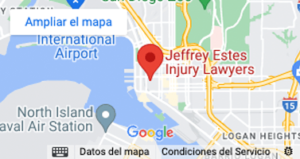
The rear driver is often viewed as responsible because drivers are generally expected to maintain a safe following distance and control their vehicles. However, a rear-end crash is not automatically resolved against the following driver. Jeffrey Estes Injury Lawyers helps San Diego injury victims understand the evidence that may affect a claim, including photographs, vehicle damage patterns, witness information, traffic conditions, and medical records. This guide explains the general rules, important exceptions, and how liability questions may develop in San Diego, California.
Why Rear-End Collision Liability in California Is Often Disputed
A rear-end collision creates a natural inference that the following driver failed to stop safely. That inference may be supported by skid marks, vehicle positions, dash-camera footage, photographs, or statements made at the scene. A driver who was traveling too fast for conditions or following too closely may have difficulty explaining why there was no safe stopping distance.
Still, the impact location alone does not answer every legal question. California generally follows a comparative negligence approach, meaning responsibility may be divided when more than one person or factor contributed to an injury. The exact analysis depends on the available facts and the nature of the claimed losses.
Circumstances that may affect fault
Potential issues in a San Diego, California rear-end case can include:
- The lead vehicle stopped abruptly without a reasonably apparent traffic reason.
- A driver changed lanes or merged immediately before the impact.
- Brake lights, turn signals, or other vehicle equipment were not functioning properly.
- Road construction, congestion, glare, rain, or another condition reduced visibility.
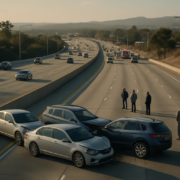
- A third vehicle pushed one car into another during a chain-reaction crash.
These circumstances do not automatically excuse the rear driver. They are facts that may require closer review when determining who contributed to the collision and resulting injuries.
What an Injured Driver Should Preserve After a San Diego Crash
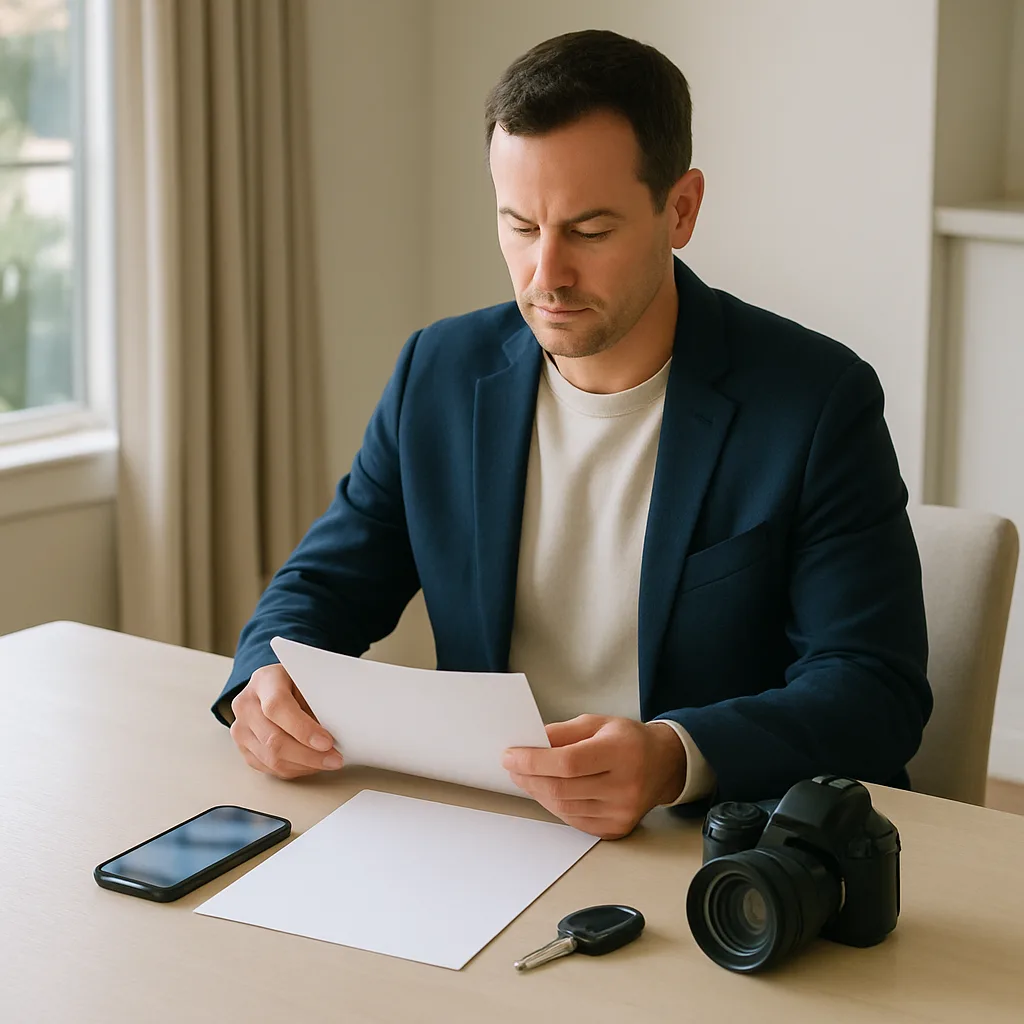
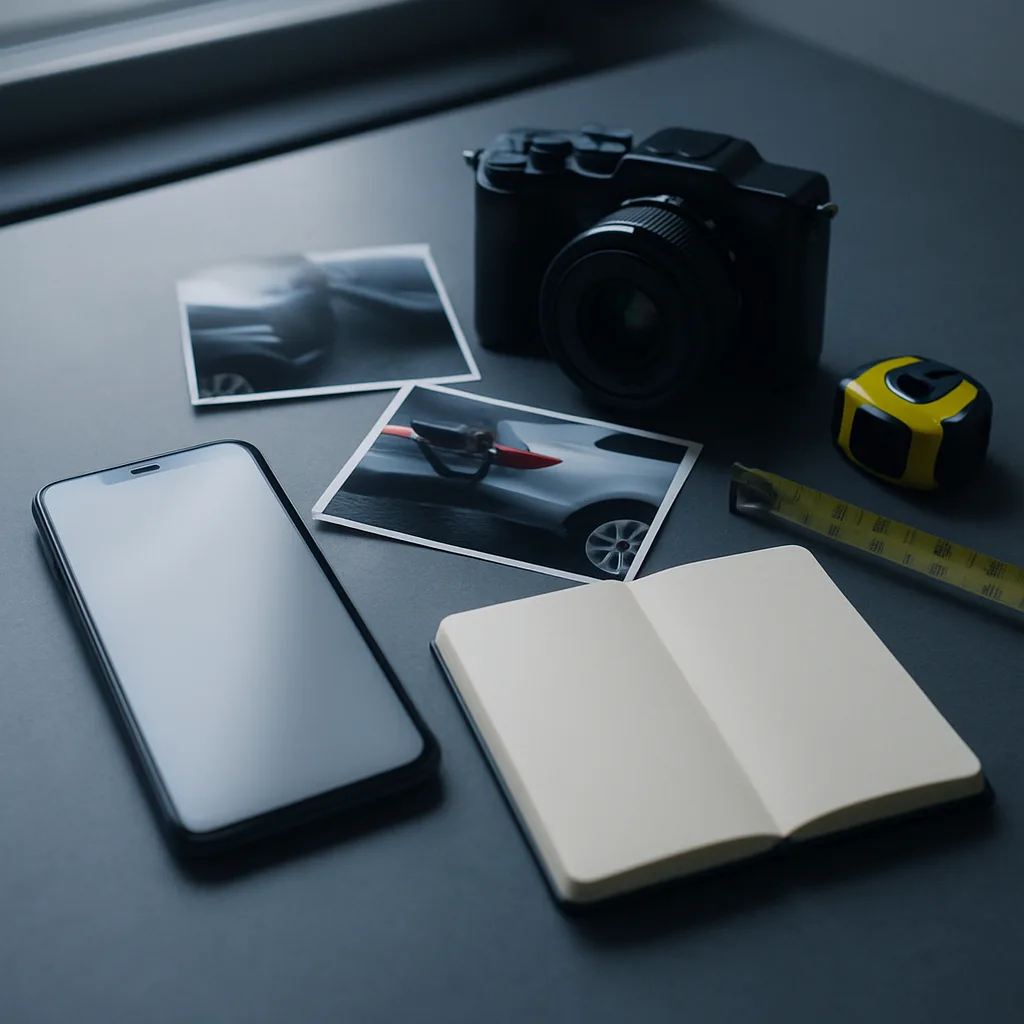
Evidence can become harder to find once vehicles are repaired, surveillance footage is overwritten, or witnesses forget what they saw. A person involved in a San Diego rear-end crash may want to preserve information in an organized way, while avoiding speculation about fault.
Photographs and vehicle damage patterns
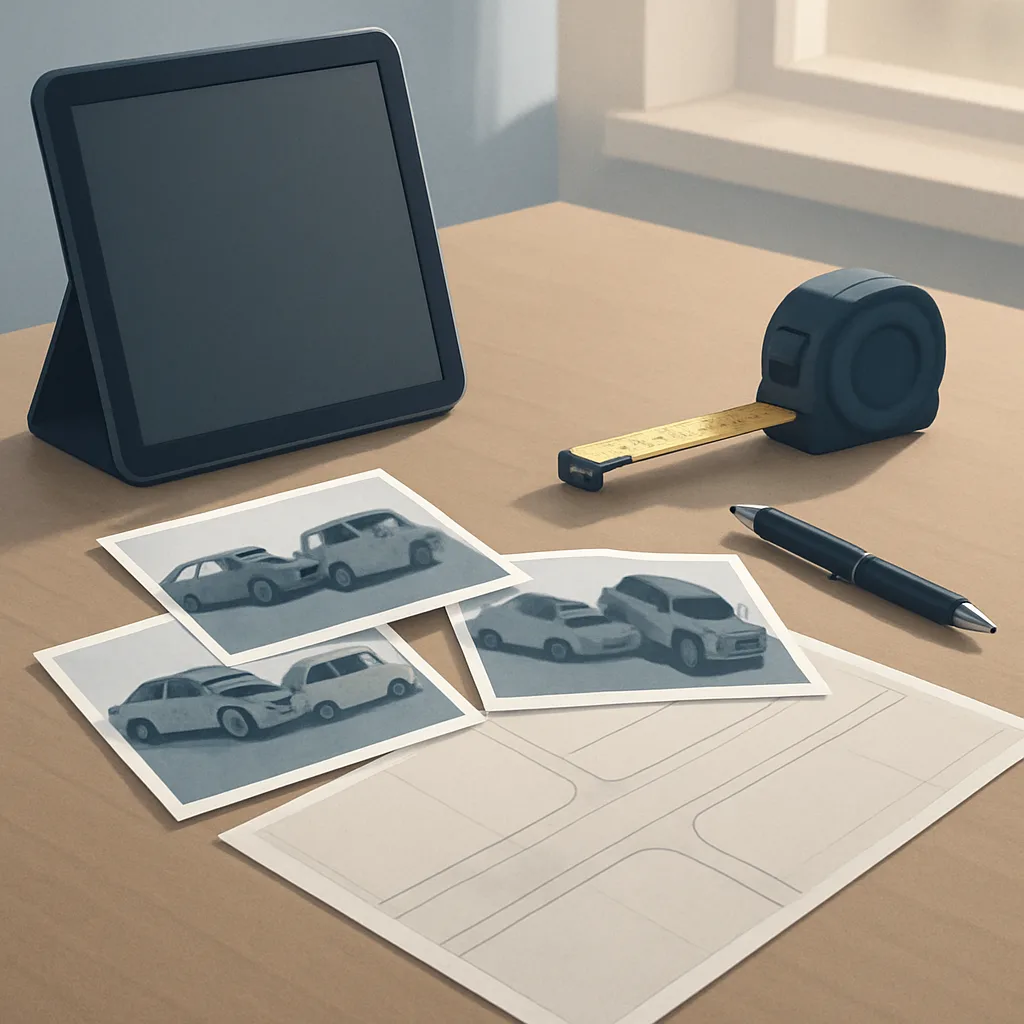
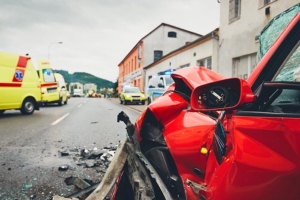
Photographs should, when possible, show the vehicles from several distances and angles. Useful images may include the rear of the lead vehicle, the front of the following vehicle, side-panel damage, broken lights, debris, skid marks, lane markings, traffic signals, and the surrounding roadway. Images of the vehicles may help show whether the impact was centered, offset, or part of a multi-vehicle sequence.
Vehicle damage is not a complete reconstruction of the crash. Even so, photographs, repair estimates, inspection records, and information about when repairs occurred may help preserve the physical evidence. It can be useful to keep copies of towing, storage, repair, and rental-car documents.
Witnesses, traffic conditions, and records
Write down witness names and contact information if they voluntarily provide it. Note what each person appeared to observe rather than recording conclusions such as “the other driver was speeding.” Also preserve details about traffic congestion, weather, lighting, road work, visibility, and the position of each vehicle.
Depending on the circumstances, relevant records may include:
- A collision report or incident number from the investigating agency, such as the San Diego Police Department or California Highway Patrol.
- Dash-camera, nearby business, residential, or traffic-camera footage, if available.
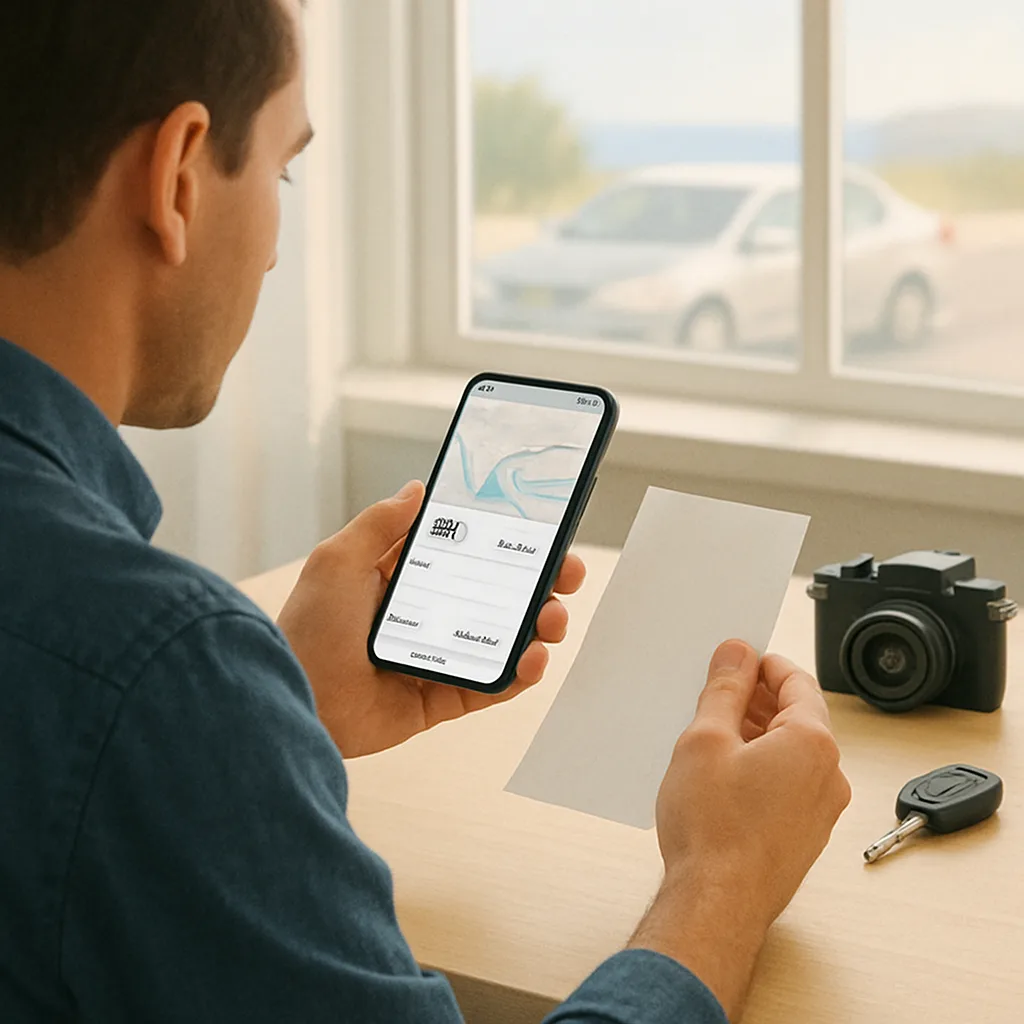
- Insurance communications, photographs sent to an adjuster, and repair-related records.
- Medical records and billing documents connected to evaluation or treatment after the crash.
California procedures and evidence rules can vary by case and may change over time. An attorney can explain which records may matter for a particular claim.
Common Mistakes in Rear-End Crash Liability Claims
People sometimes assume that a rear-end collision is so obvious that no further documentation is needed. That assumption can create problems if the insurance company questions the severity of the injuries, argues that the lead driver contributed to the crash, or disputes how the collision occurred.
Mistakes that can complicate a claim
Common concerns include:
- Failing to photograph the vehicles and roadway before conditions change.
- Discarding damaged vehicle parts or authorizing repairs without preserving images and estimates.
- Giving an insurer a detailed statement based on guesses rather than personal observations.
- Treating a collision report as the final decision on civil liability.
- Ignoring follow-up care or failing to keep records of medical visits and expenses.
- Posting photographs or comments about the crash that may be taken out of context.
Medical records are especially important because they document reported symptoms, examinations, diagnoses made by healthcare professionals, and treatment history. They do not by themselves establish who caused a crash, but they may help connect claimed injuries to the collision. A person should not attempt to diagnose an injury or change treatment based solely on general information in an article.
If a claim proceeds in California, discussions may involve an insurer, a settlement demand, negotiations, or litigation in the Superior Court of California, County of San Diego. The appropriate process depends on the facts, the parties, the insurance coverage, and the nature of the dispute. A San Diego rear-end accident lawyer may help organize evidence and explain available options without assuming that liability is automatic.
Frequently Asked Questions
Is the rear driver always responsible for a rear-end crash in San Diego?
No. The following driver is often investigated first because safe following distance and vehicle control are central issues. However, the lead driver, a third party, defective equipment, or roadway conditions may also have contributed. California’s comparative negligence framework can affect how responsibility is evaluated. The evidence may include photographs, witness accounts, vehicle damage, footage, collision reports, and medical documentation.
What should I photograph after a California sudden stop car accident?
When it is safe and practical, photographs may show all vehicles, impact points, debris, skid marks, lane markings, traffic controls, lighting, weather, and nearby roadway conditions. Wide images can provide context, while closer images can preserve damage details. Images should not be altered or staged. If immediate safety or medical concerns exist, those concerns take priority over collecting photographs.
Can a collision report determine who is at fault?
A collision report can be an important source of information, but it is not necessarily the final determination of civil liability. Investigators may document statements, roadway conditions, citations, and vehicle positions, while an insurance dispute or court case may involve additional evidence. The significance of a report depends on its contents and the other available records under California law.
How long should I keep records from a rear-end injury claim?
It is generally useful to keep copies of photographs, medical records, bills, repair documents, insurance correspondence, wage-related records, witness information, and notes about the crash. The appropriate retention period may depend on the claim and applicable deadlines, which vary by jurisdiction and circumstances. Because California filing deadlines and exceptions can be complex, a licensed attorney can discuss timing specific to an individual situation.
How Jeffrey Estes Injury Lawyers Can Help
Jeffrey Estes Injury Lawyers is dedicated to helping people understand the evidence and legal issues that may arise after a San Diego rear-end crash. The firm can review photographs, vehicle damage information, witness details, traffic conditions, collision reports, insurance communications, and medical records as part of evaluating a potential injury claim.
The team is committed to fighting for clients’ rights while explaining the process in clear terms. If you were injured in San Diego, California, contact Jeffrey Estes Injury Lawyers for a free consultation or case evaluation. The firm is ready to evaluate your situation and help you explore your legal options.
The information in this article is for educational purposes only and does not constitute legal advice. Contact a qualified attorney licensed in San Diego, California for advice specific to your situation.