
San Diego Crash Report Process After a Collision
A crash report can become one of the first documents an insurance company uses to question what happened, who was at fault, and whether your injuries are connected to the collision. Understanding the San Diego crash report process can help you protect critical evidence before an insurer shapes the story around an incomplete record.
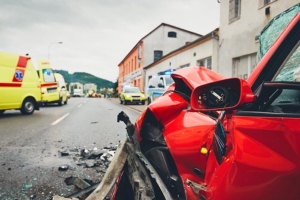
A police report is not the final word on liability, but it can carry real weight. It may identify witnesses, record road and weather conditions, describe vehicle damage, note traffic-law violations, and preserve statements made at the scene. When a crash causes serious injuries, those details deserve prompt attention.
What Happens When Police Respond to a Crash
When San Diego Police Department officers respond to a collision within city limits, they may prepare a traffic collision report. The California Highway Patrol may prepare the report when a crash occurs on a state freeway or highway, or in an area under CHP jurisdiction. The responding agency matters because it determines where the report is requested.
At the scene, officers generally gather driver information, inspect the vehicles and roadway, speak with witnesses, and document observations. If there is suspected impairment, a hit-and-run, a serious injury, or a death, the investigation may be much more extensive. Officers may take photographs, measure skid marks, request specialized accident reconstruction assistance, or conduct follow-up interviews.
Not every collision results in a formal police report. Officers may provide an information exchange sheet instead, particularly after a minor crash without apparent injuries. That does not mean an injured person has no claim. It does mean that preserving other evidence becomes even more urgent.
The San Diego Crash Report Process: Getting a Copy
If law enforcement created a report, obtain the report number before leaving the scene if you are physically able to do so. It may also be listed on the information exchange sheet, citation paperwork, or correspondence from the investigating agency. Keep it with photographs, medical records, witness contact information, and insurance communications.
Reports are not always available immediately. The agency must complete and process the report, and serious crashes can take longer because an investigation may still be underway. Requesting a report too soon can lead to frustration, but waiting for weeks without checking can also delay a claim investigation.
Generally, drivers, passengers, vehicle owners, insurers, attorneys, and certain other parties with a legitimate interest may request a copy. The agency may require identification, the report number, the crash date and location, and a statement explaining your relationship to the collision. A fee may apply.
If the collision occurred on a freeway, near an unincorporated area, or under CHP investigation, request the report through CHP rather than the local police department. If you are unsure which agency responded, review any paperwork handed to you at the scene or contact the appropriate agency with the date, approximate time, and location.
Do Not Confuse the Police Report With the DMV Report
California drivers can have a separate duty to report a crash to the DMV. The SR-1 report is generally required within 10 days when a crash causes injury, death, or more than $1,000 in property damage. This obligation may apply even if an officer came to the scene and even if another driver caused the collision.
The SR-1 is not a lawsuit and is not the same document as a police collision report. It is an administrative report that can affect driving privileges if it is not filed when required. Insurance coverage, vehicle ownership, and the facts of the crash all matter, so do not assume another person or insurer has handled it for you.
Read the Report Carefully, but Keep Its Limits in Mind
When you receive the report, review it line by line. Confirm the date, time, location, involved vehicles, insurance information, and identification of drivers and passengers. Check whether the report names witnesses and whether their contact information is complete.
Pay close attention to the narrative and any diagram. A report might say that you told the officer you were uninjured, for example, even though pain developed later that day or became severe after the adrenaline wore off. That is common after a collision, especially with head, neck, back, and soft-tissue injuries. Prompt medical evaluation creates a clearer record of when symptoms began and what treatment you needed.
Reports also contain mistakes. An officer may misstate a lane of travel, omit a witness, list the wrong vehicle damage, or misunderstand what a driver said in a chaotic setting. Sometimes the report reflects only the accounts available at the scene, not later-discovered video footage, black-box data, or expert analysis.
A factual error should be addressed thoughtfully. Depending on the agency and the nature of the error, you may be able to submit a written statement or request that supplemental information be added to the file. Officers do not always revise conclusions simply because a driver disagrees. The stronger approach is to support your position with objective evidence, such as photographs, surveillance video, vehicle data, medical records, and independent witness accounts.
Why the Report Can Affect an Injury Claim
Insurance adjusters often rely on a report early in the claim process, particularly when it appears to assign fault or records an adverse statement. But the report is only one piece of evidence. It is not a substitute for a full investigation, and it may not be admissible in every form at trial.
That distinction matters in serious cases. A trucking crash, motorcycle collision, construction vehicle incident, or wrongful death claim can involve evidence that is unavailable in a standard police narrative. Electronic logging data, maintenance records, onboard cameras, cell phone records, company safety policies, roadway video, and crash reconstruction can change the liability picture significantly.
Insurance companies move quickly when the facts seem favorable to them. They may call before you have seen a doctor, received a report, or understood the full extent of your injuries. You are not required to give a recorded statement simply because an adjuster asks for one. Before discussing fault, prior injuries, or the scope of your medical condition, understand how those answers could be used against you.
Steps to Take While the Report Is Pending
A report should not be the only evidence you preserve. If you have not already done so, write down your own account of the collision while your memory is fresh. Include the direction of travel, traffic signals, speed estimates, what you saw before impact, and anything the other driver said.
Preserve photographs and video in their original form. Take clear images of vehicle damage, visible injuries, the crash location, debris, skid marks, traffic controls, and nearby businesses or homes that may have cameras. If someone witnessed the crash, obtain their name and a reliable way to contact them. Witnesses can become difficult to locate once weeks or months pass.
Get medical care based on your symptoms, not on an insurer’s expectations. Follow treatment recommendations, keep appointments, and save bills, work-loss information, prescriptions, and discharge instructions. Gaps in treatment can give an insurer an argument that injuries were minor or unrelated, even when the reality is financial pressure, scheduling problems, or a delayed diagnosis.
If your vehicle is being repaired or declared a total loss, photograph it thoroughly before it is sold, repaired, or dismantled. In high-impact crashes, the vehicle itself may hold valuable evidence about the force and mechanics of the collision.
When Legal Help Becomes Especially Valuable
You may be able to handle a straightforward property-damage claim on your own. The stakes change when injuries are serious, fault is disputed, several vehicles are involved, or the other side is a commercial driver, public entity, or large insurer. Those cases require more than a report request. They require early evidence preservation and a strategy built to withstand an insurer’s defense.
An experienced injury attorney can review the report for gaps, identify evidence that should be secured, communicate with insurers, and calculate losses beyond immediate medical bills. That includes future care, lost earning capacity, pain and suffering, and the profound losses a family faces after a fatal collision. At Jeffrey Estes Injury Lawyers, injured clients work directly with attorneys who prepare serious cases with trial in mind.
A crash report is a starting point, not a verdict on your future. Preserve what you can, meet your reporting obligations, get the care you need, and seek legal guidance before an insurance company turns an incomplete account of the collision into a reason to undervalue your claim.