
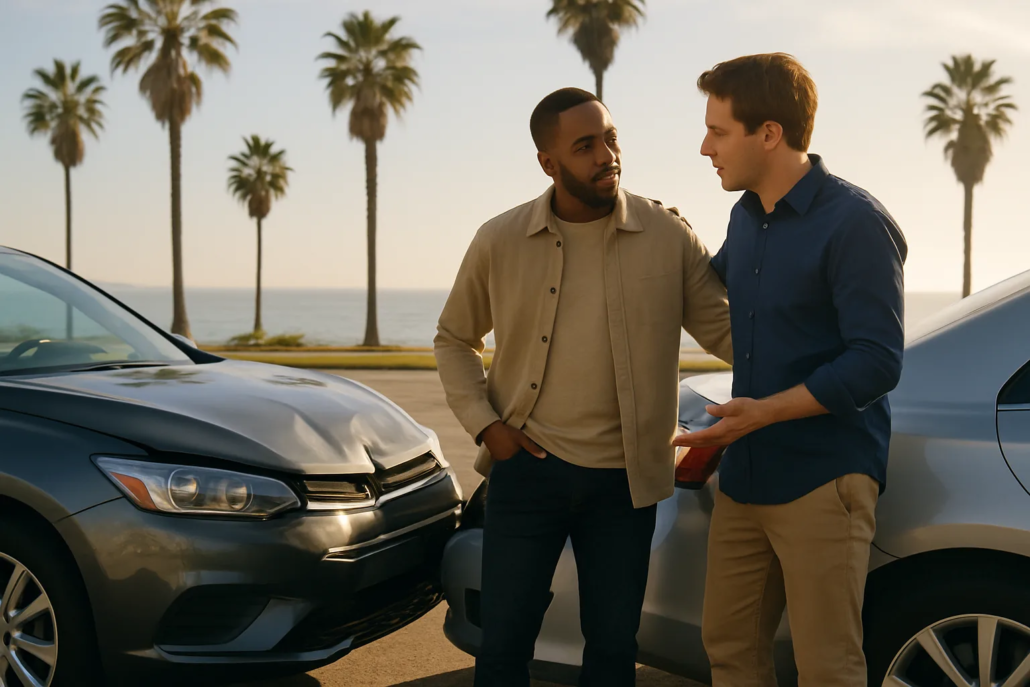
Who Pays When a Passenger Is Hurt in a Friend’s Car?
A car ride with a friend can become complicated when a collision leaves you injured. You may need medical care and financial help while worrying that making a claim will feel like blaming someone you know. If you are searching for information about a passenger injured in a friend’s car in California, understanding the insurance process can make the situation less uncertain.
In many cases, an injured passenger’s claim is handled through insurance rather than directly against the friend’s personal finances. The correct coverage depends on who caused the crash, whose vehicle was involved, the available policy limits, and whether other insurance applies. Jeffrey Estes Injury Lawyers helps people in San Diego understand these issues and evaluate possible personal injury claims.
This article explains how the vehicle owner’s policy, the driver’s coverage, your own insurance, and potential coverage disputes may affect a claim. It also discusses practical steps that may help preserve information while respecting the personal relationship involved.
Which Insurance Covers a Passenger Injured in a Friend’s Car in California?
California generally treats an auto liability policy connected to the vehicle as an important source of coverage when the vehicle’s driver may be responsible for a crash. If your friend was driving and caused the collision, the owner’s liability policy may be the first policy an insurer examines. That does not automatically mean the claim will be paid in full; fault, policy terms, exclusions, and limits still matter.
The vehicle owner’s policy
The owner’s policy may cover a driver who had permission to use the vehicle, but coverage can depend on the policy language and the facts. Questions may include whether the driver had permission, whether the driver was excluded, and whether the vehicle was being used for a purpose covered by the policy. An insurer may investigate these issues before accepting responsibility.
The driver’s own insurance
The driver may also have a separate auto policy. Depending on the circumstances, that policy could provide additional or secondary coverage, but the order in which policies respond is fact-specific. A passenger injured in a friend’s car in San Diego, California may need to identify every potentially relevant policy instead of assuming only one source exists.
Your relationship with the driver does not by itself eliminate your legal rights. A claim usually seeks payment from applicable insurance coverage, although the process can still feel personal when the driver is a friend.
What Other Coverage May Help With a San Diego Passenger Injury Claim?
The at-fault vehicle’s liability insurance is not always the only possible source of benefits. A passenger’s own policies and other available coverage may matter, particularly when the responsible driver has no insurance or not enough insurance to address the injuries.
Potential coverage can include:
- The friend’s liability insurance: This may respond if the friend was legally responsible and the policy covers the loss.
- Another vehicle’s liability insurance: If another driver caused all or part of the crash, that driver’s policy may be relevant.
- Uninsured or underinsured motorist coverage: Your own policy may provide protection in qualifying situations, subject to its terms and California requirements.
- Medical-payments coverage: Some auto policies include coverage for certain accident-related medical expenses regardless of fault, subject to policy limits and conditions.
- Health insurance: Health insurance may pay covered medical bills while an injury claim is investigated, but reimbursement or lien issues can arise later.
California uses comparative-fault principles in many personal injury cases. If more than one person contributed to the collision, responsibility may be divided rather than assigned to only one driver. A passenger’s conduct can also become relevant in unusual circumstances, so the facts should be reviewed carefully rather than assumed.
In San Diego, California, an insurer may request the collision report, medical records, photographs, witness information, and statements from the people involved. A claim may eventually involve the San Diego County Superior Court if it cannot be resolved, but court procedures and filing deadlines depend on the parties and facts. Laws and procedures can change, so current advice is important.
How Can Passengers Protect a Friend’s Car Accident Insurance Claim?
Many passengers delay reporting injuries because they do not want to create conflict. That concern is understandable, but waiting can make it harder to connect symptoms to the crash or preserve useful information. A careful, organized approach can help separate the insurance claim from the personal relationship.
Consider these practical steps:
- Obtain appropriate medical attention. A healthcare professional can evaluate your condition and document what you report. Do not assume that a lack of immediate severe symptoms means there is no injury.
- Keep accident information. Save the date, location, vehicle details, driver information, insurance information, photographs, and names of witnesses when available.
- Record how the incident affected you. Keep copies of bills, appointment records, work-related documentation, and a simple account of symptoms and limitations. This is not a substitute for medical advice, but it may help organize the claim.
- Be cautious with recorded statements and releases. Insurers may request statements or documents before the full extent of an injury is known. Depending on the circumstances, an attorney may advise reviewing requests before responding.
- Avoid treating the friend as the personal source of payment. The claim may be directed to the applicable insurer. Speaking with an attorney can help clarify the process without assuming that the friend must pay out of pocket.
Can a passenger sue the driver in California? In general, a passenger may be able to pursue a claim against a driver whose negligence caused the crash. Whether filing a lawsuit is appropriate depends on liability evidence, injuries, insurance coverage, settlement discussions, and applicable deadlines. A consultation can help explain the options without requiring an immediate decision to sue.
Frequently Asked Questions
Do I have to sue my friend to receive compensation for my injuries?
Not necessarily. Many passenger injury claims begin with an insurance claim and may resolve through negotiations without a lawsuit. However, an insurer may dispute fault, coverage, or the value of the claim. If the matter cannot be resolved, litigation may be an option, depending on the circumstances. A California personal injury attorney can explain how the process may affect both the claim and your relationship with the driver.
What if my friend did not own the car?
The vehicle owner’s insurance may be relevant, along with the driver’s policy and any coverage available to you. The result can depend on permission to use the vehicle, policy exclusions, the reason for the trip, and who caused the collision. If another driver contributed to the crash, that driver’s insurance may also matter. Gathering all vehicle and policy information can help identify the potential sources of coverage.
Can I make a claim if I was not wearing a seat belt?
A seat-belt issue may affect how an insurer or court evaluates an injury claim, depending on the facts and applicable California law. It does not automatically answer every question about fault or eliminate the possibility of a claim. The effect may depend on the evidence, the injuries alleged, and the conduct of other people involved. An attorney can assess the issue in context.
What if the insurance company says my friend’s policy does not cover me?
Coverage disputes can involve permission, excluded drivers, household members, vehicle use, policy limits, or other terms. A denial is not always the end of the analysis, but the available options depend on the policy and facts. Keep the written denial and related communications. In San Diego, a lawyer familiar with California auto insurance and injury claims may help evaluate whether other coverage or legal remedies should be considered.
How Jeffrey Estes Injury Lawyers Can Help
Jeffrey Estes Injury Lawyers is dedicated to helping injured passengers understand their options when the at-fault driver is someone they know. The firm can review the collision circumstances, potentially relevant insurance policies, medical documentation, and communications with insurers. Its team is committed to fighting for fair treatment while recognizing the emotional difficulty of making a claim involving a friend or family connection.
If you were hurt as a passenger in San Diego, California, the firm is ready to evaluate your situation and explain potential next steps. Contact Jeffrey Estes Injury Lawyers for a free consultation or case evaluation.
The information in this article is for educational purposes only and does not constitute legal advice. Contact a qualified attorney licensed in San Diego, California for advice specific to your situation.








Leave a Reply
Want to join the discussion?Feel free to contribute!