
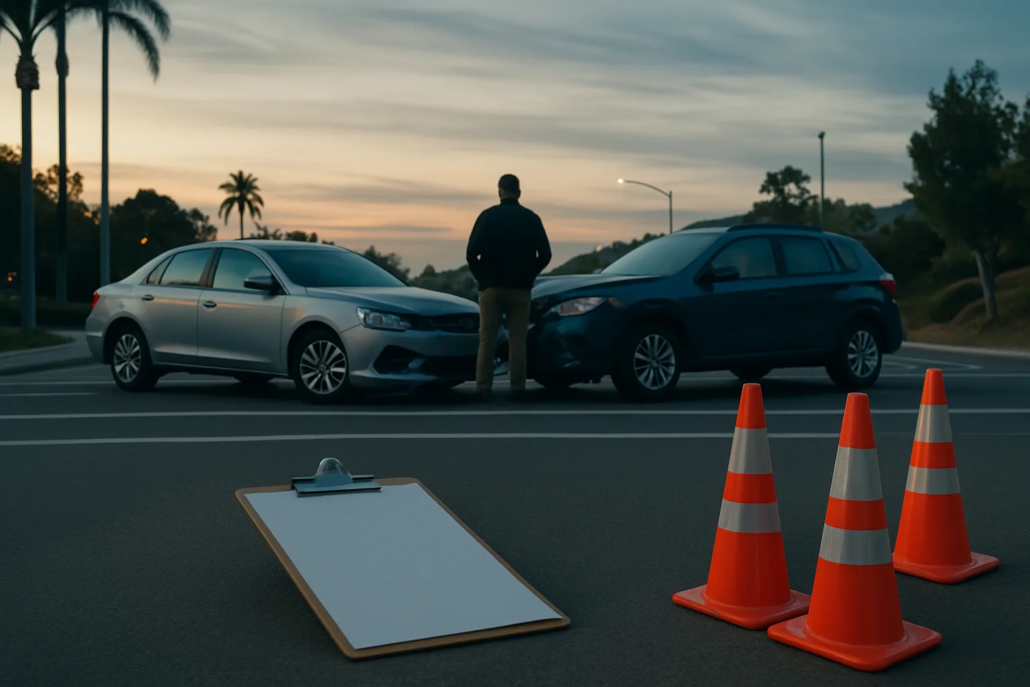
Can a San Diego DUI Crash Support Punitive Damages?
A collision involving an allegedly impaired driver can leave an injured person dealing with medical care, missed work, insurance questions, and uncertainty about what happens next. You may also wonder: can a DUI crash support punitive damages in California? In San Diego, California, that question usually depends on the evidence of the driver’s conduct—not simply on whether police made an arrest or prosecutors filed charges.
California personal injury claims commonly seek compensatory damages, such as medical expenses, lost income, property damage, and losses related to pain and emotional distress. Punitive damages are different. They are intended to punish particularly blameworthy conduct and discourage similar behavior, so the legal and factual showing is more demanding.
Jeffrey Estes Injury Lawyers provides this overview to help crash victims understand the distinction. The discussion covers when DUI evidence may matter, how vehicle ownership can affect liability analysis, and why criminal charges and civil claims are separate matters.
When Could a DUI Crash Support Punitive Damages in California?
California’s punitive-damages rules generally focus on whether the defendant acted with oppression, fraud, or malice. In a DUI collision, the issue is often whether the driver acted with conscious disregard for the safety of others. That means more than carelessness or a simple driving mistake. It involves a decision to engage in conduct while aware of its likely dangerous consequences.
California Civil Code section 3294 generally requires clear and convincing evidence for punitive damages. This is a higher evidentiary standard than the “more likely than not” standard commonly used for liability in a civil personal injury case. A DUI charge, arrest, or conviction may provide relevant evidence, but none automatically establishes a right to punitive damages.
Why the surrounding facts matter
A court or jury may examine the complete circumstances, which could include:
- The driver’s level of impairment and available test results
- Statements about drinking or drug use before driving
- The driver’s conduct before and after the collision
- Prior warnings about driving while impaired, when legally relevant and supported by evidence
- Speed, evasive behavior, and other circumstances showing the risk created
A San Diego, California injury claim may therefore require careful review of the collision report, witness accounts, toxicology evidence, and available video or electronic records. The strength of a punitive-damages theory depends on the admissible evidence and the specific facts.
How DUI Evidence Affects a San Diego Drunk Driving Injury Claim
DUI-related evidence can affect a civil claim in several ways, but a criminal case and a personal injury lawsuit serve different purposes. A criminal prosecution brought by the State of California may seek penalties for an alleged offense. A civil case seeks compensation for legally recognized losses and, in limited circumstances, punitive damages.
The two proceedings may develop on different timelines. A criminal charge may be reduced, dismissed, resolved by plea, or still pending while an injured person’s civil claim is being evaluated. Similarly, the outcome of a criminal case does not by itself determine every issue in a civil action. Evidence from the criminal investigation may still be relevant, subject to civil discovery and evidentiary rules.
Damages that may be part of a civil claim
Depending on the facts and available proof, compensatory damages in a California DUI accident lawsuit may address:
- Reasonable medical expenses and other accident-related costs
- Lost wages or reduced earning capacity
- Property damage and related transportation expenses
- Physical pain, emotional distress, and loss of enjoyment of life
- Other losses recognized under California law
Punitive damages are not a replacement for these losses. They are an additional damages theory that must satisfy the applicable legal standard. The existence of serious injuries can affect the value and proof of compensatory damages, but serious harm alone does not automatically establish malice or conscious disregard.
In San Diego, California, a civil action may be filed or defended through the San Diego Superior Court when that court has proper jurisdiction and venue. The appropriate forum and procedure depend on the parties, the location of the crash, the amount at issue, and other circumstances.
What About Vehicle Owners and Common Claim Mistakes?
The person who owned or provided a vehicle may become relevant, but ownership alone does not automatically make that person responsible for punitive damages. A claim might involve negligent entrustment if the owner allegedly entrusted the vehicle to someone the owner knew, or reasonably should have known, was an unsafe driver. Other theories may apply depending on the relationship between the owner and driver.
Punitive damages against an employer or other principal also involve additional legal considerations. California law generally requires evidence connecting the alleged misconduct to the organization or to an authorized managerial or supervisory decision-maker. A company’s responsibility for an employee’s conduct and the employee’s individual exposure are not necessarily identical questions.
Evidence and mistakes that can affect a claim
After a collision, people sometimes make decisions that complicate later evaluation of the evidence. Depending on the circumstances, common problems may include:
- Assuming a DUI arrest means punitive damages are automatic.
- Treating a criminal conviction as the only evidence that matters.
- Posting detailed statements or photographs about the crash on social media.
- Delaying medical evaluation or losing records connecting treatment to the collision.
- Accepting an insurance position before understanding the full scope of the claim.
A person pursuing a San Diego drunk driving injury claim may benefit from preserving photographs, witness information, medical records, wage documentation, and communications with insurers. An attorney can explain what evidence may be relevant and how civil deadlines and procedural requirements apply. Laws and procedures can vary by location and may change, so current advice should come from a California-licensed lawyer who reviews the particular facts.
Frequently Asked Questions
Does a DUI conviction guarantee punitive damages after a crash?
No. A DUI conviction may be relevant evidence, but it does not guarantee punitive damages after a drunk driving crash. A civil claimant generally must prove the required facts under California law, including the heightened clear-and-convincing-evidence standard for punitive damages. The court or jury may consider the conviction along with impairment evidence, driving conduct, prior warnings, and the circumstances surrounding the collision.
Can I pursue a civil claim if criminal DUI charges were dismissed?
Possibly. Criminal charges and civil claims have different purposes, burdens of proof, parties, and procedures. A dismissal does not automatically eliminate a personal injury claim, although it may affect the available evidence and how the opposing side frames the facts. The effect depends on why the charge was dismissed and what other evidence exists. A lawyer can evaluate the civil issues separately.
Are punitive damages available against the vehicle owner?
Not automatically. A vehicle owner may be relevant to a liability analysis under theories such as negligent entrustment, but the facts must support the particular claim. Punitive damages against an owner or organization can involve additional requirements, especially when the alleged misconduct was committed by another person. The driver’s impairment, the owner’s knowledge, and the relationship between the parties may all matter.
What evidence may help support a DUI-related injury claim?
Potentially relevant evidence may include the collision report, toxicology or field-testing records, witness statements, video footage, vehicle data, medical records, and admissions by the driver. Evidence must still be obtained and used consistently with applicable California rules. Because an arrest report is not the same as a complete civil case, an attorney may need to examine how each item supports liability or damages.
How Jeffrey Estes Injury Lawyers Can Help
Jeffrey Estes Injury Lawyers is dedicated to helping people understand their options after serious car accidents in San Diego, California. The firm can review the collision circumstances, available DUI-related evidence, injury documentation, insurance communications, and potential theories of compensatory or punitive damages.
The team is committed to fighting for clients’ rights while recognizing that every case depends on its facts, proof, and applicable California law. If you or a family member was injured in a collision involving suspected impairment, contact Jeffrey Estes Injury Lawyers for a free consultation or case evaluation. Speaking with a qualified attorney may help you understand the civil claims and deadlines that could apply.
The information in this article is for educational purposes only and does not constitute legal advice. Contact a qualified attorney licensed in San Diego, California for advice specific to your situation.










Leave a Reply
Want to join the discussion?Feel free to contribute!