How Do Scene Details Shape a San Diego Parking Lot Claim?
A parking-lot crash can look simple at first: one vehicle is backing out, another is moving through the drive aisle, and both drivers disagree about what happened. Yet shopping centers, apartment lots, garages, and private access roads can present a mix of moving vehicles, pedestrians, signs, blind spots, lighting problems, and unclear markings. That is why a San Diego parking lot accident claim may require more careful investigation than the visible bumper damage suggests.
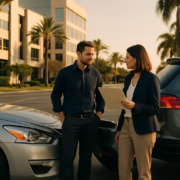
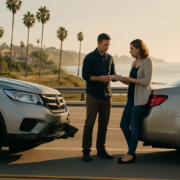
If you are still at the scene, these steps to take at the parking-lot crash scene can help preserve useful information without assigning fault in the moment. Jeffrey Estes Injury Lawyers can serve as a knowledgeable guide as you evaluate what evidence may matter. This article explains how California liability principles may apply, what to document, when property management may become relevant, and how medical records and filing deadlines can affect a claim.
How California Law May Decide a San Diego Parking Lot Accident Claim
California generally evaluates collision responsibility by examining each person’s conduct and the facts surrounding the incident. A driver backing from a parking space may need to yield to vehicles already traveling through an aisle, but the moving driver’s speed, lookout, and ability to avoid the impact may also matter. Signs, arrows, stop controls, lane markings, and the layout of the lot can affect the analysis.
Vehicle positions and right-of-way assumptions
Photographs and measurements can be important because vehicles are often moved before a complete account is recorded. Capture the direction each vehicle was facing, the location of impact, tire marks if present, nearby spaces, traffic controls, and the path each vehicle appears to have taken. Avoid editing or marking the original images.
A driver who assumes they automatically had the right of way may overlook a warning sign, pedestrian crossing, narrow aisle, or obstructed view. Conversely, a driver exiting a space is not necessarily responsible for every collision involving the vehicle. California may assign percentages of responsibility when more than one person contributed to an injury or loss.
Signs, markings, and visibility
Record whether stop signs, directional arrows, parking-space lines, crosswalks, mirrors, gates, or warning signs were visible and properly positioned. Note whether landscaping, large vehicles, columns, shopping carts, or stored materials blocked sight lines. These details can help distinguish a driver-conduct issue from a possible property-condition issue.
What Evidence Matters in Parking-Lot Collision Liability in California?
Evidence can disappear quickly in a private lot. Security footage may be overwritten, a temporary obstruction may be removed, and lighting or weather conditions may change. A focused preservation effort can help identify what happened and who controlled the relevant information.
Useful steps may include:
- Photographing vehicle positions, damage, license plates, signs, markings, lighting, gates, potholes, and obstructed views.
- Asking witnesses for their names and contact information, without pressuring them to take sides.
- Identifying cameras operated by a store, shopping-center owner, apartment manager, garage operator, or nearby vehicle.
- Recording the approximate time of the collision and the businesses or property managers that may control footage.
- Keeping receipts, repair estimates, insurance communications, and photographs in one organized file.
The guide on preserving nearby witnesses and surveillance footage discusses why a prompt request may matter. A request does not guarantee that footage exists or will be released, but it can help identify the proper custodian before routine deletion occurs.
When property management may share responsibility
A shopping-center owner, landlord, garage operator, or maintenance company may become relevant if a dangerous property condition contributed to the collision. Examples can include inadequate lighting, faded or missing markings, a defective gate, an obstructed sight line, a pothole, or a confusing traffic pattern. The existence of a condition alone does not establish legal responsibility; notice, control, reasonableness, and causation may need to be examined.
For additional context, review information about parking-lot lighting, signs, and surface defects. In San Diego, California, the responsible entity may be private or governmental, and different procedures can apply depending on who owns or controls the property.
Pedestrians and unusual movements
A person walking through a marked crossing, between parked vehicles, near a loading area, or in a drive aisle may raise different visibility and right-of-way questions. The driver’s movement, the pedestrian’s location, lighting, and nearby signs may all matter. A separate San Diego pedestrian injury claim after a parking-lot collision may involve facts that differ from a vehicle-on-vehicle claim.
What Should You Document After a Parking-Lot Crash?
A careful record can help clarify disputed facts without requiring you to decide the legal conclusion yourself. If it is safe to do so, consider the following checklist:
- Document the scene. Take wide photographs before vehicles are moved, then photograph damage from several angles. Include the surrounding aisle, nearby spaces, signs, lighting, markings, and any apparent surface defect.
- Describe what happened promptly. Write down the direction of travel, whether a vehicle was backing out, where each vehicle stopped, and what you observed about visibility. Separate your observations from assumptions.
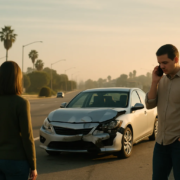
- Request the appropriate report. Depending on the circumstances, law enforcement or private security may create a report. Requesting and reviewing a San Diego crash report may reveal omissions or incorrect vehicle positions that should be compared with photographs and witness accounts.
- Preserve medical information. Even a low-speed impact can be followed by symptoms that are not immediately obvious. Medical professionals determine diagnosis and treatment; claim documentation generally benefits from accurate symptom reporting and records of evaluation and follow-up. Information about injuries despite limited bumper damage explains why visible vehicle damage is not the only issue.
- Avoid speculation. Do not alter photographs, exaggerate symptoms, or post detailed commentary about fault. Keep communications accurate and preserve relevant messages, records, and receipts.
Deadlines and multiple responsible parties
California filing deadlines can vary based on the type of claim and the identity of the potentially responsible party. A claim involving a private shopping center may follow a different process from one involving a public entity. A premises-related theory may also require separate timing analysis. The deadline for a San Diego car accident claim should be evaluated early because negotiations or insurance communications do not necessarily eliminate a filing deadline.
Frequently Asked Questions
Is the driver backing out always at fault in a San Diego parking lot crash?
No. A backing driver may have duties to look and yield, but responsibility depends on the full setting. The other driver’s speed, attention, visibility, path of travel, and opportunity to avoid the collision may also matter. Signs, markings, parked vehicles, and lighting can provide important context. California may assign responsibility among multiple parties rather than treating every backing collision as automatically one-sided.
Can a parking-lot business be responsible for a collision in California?
Possibly, depending on the property condition and the business’s ownership, control, notice, and maintenance responsibilities. Poor lighting, missing signs, blocked sight lines, defective gates, or surface defects may be relevant if they contributed to the event. A condition alone does not establish liability. The facts may need to be evaluated alongside driver conduct and any contracts or maintenance arrangements.
What if a parking-lot collision report leaves out important facts?
Compare the report with photographs, witness information, video, vehicle locations, and your own contemporaneous notes. A report may contain useful observations but may not capture every detail, particularly if vehicles were moved or witnesses left. Depending on the circumstances, an attorney may help assess how to preserve contrary evidence or communicate a correction without overstating what the evidence proves.
Does minor vehicle damage mean an injury claim is weak?
Not necessarily. Vehicle damage does not by itself establish whether a person was injured or how serious symptoms may be. A person’s medical history, symptoms, examination findings, and treatment are separate issues for healthcare professionals to evaluate. Accurate and consistent medical documentation can help explain the claimed injury, while exaggerated or unsupported statements can create credibility concerns.
How Jeffrey Estes Injury Lawyers Can Help
Jeffrey Estes Injury Lawyers is dedicated to helping people understand the evidence and legal issues that may arise after a parking-lot collision. The firm is committed to fighting for clients’ rights while examining vehicle positions, surveillance, witnesses, property conditions, insurance communications, and medical documentation. Depending on the circumstances, the team may also evaluate whether more than one party or type of claim is involved.
If you were hurt in a shopping center, garage, apartment lot, or private drive aisle, the firm is ready to evaluate your situation. Contact Jeffrey Estes Injury Lawyers for a free consultation or case evaluation and to explore your legal options.
The information in this article is for educational purposes only and does not constitute legal advice. Contact a qualified attorney licensed in San Diego, California for advice specific to your situation.