Uninsured Driver Car Accident in San Diego: Next Steps
A crash is stressful enough without learning that the driver who caused it may not have liability insurance. If you are asking, “What happens if the at-fault driver in a San Diego car crash has no insurance?” the answer often depends on your own policy, the available evidence, and the nature of your injuries. In San Diego, California, an uninsured driver may have limited ability to pay personally, so identifying other potential sources of coverage can be important.
The options after a car accident with an uninsured driver may include an uninsured motorist claim through your own auto insurer. Jeffrey Estes Injury Lawyers provides practical guidance for people evaluating these issues. This article explains what to document immediately, how uninsured and underinsured motorist coverage generally works in California, why medical records matter, and when a personal injury consultation may help you understand your options.
What Happens After an Uninsured Driver Car Accident in San Diego?
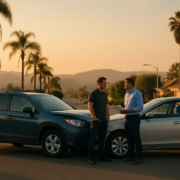
The first priority after any collision is safety and appropriate medical attention. Once immediate concerns are addressed, preserving information can help clarify who was involved, how the crash occurred, and what losses followed. A driver’s lack of insurance does not by itself establish fault for the collision, and an uninsured motorist claim generally still requires evidence that the other driver was legally responsible.
Document the collision and the other driver’s status
Depending on the circumstances, useful information may include:
- Photographs or video of vehicle positions, road conditions, traffic controls, and visible damage
- The other driver’s name, contact information, vehicle information, and insurance details, if any
- Witness names and contact information
- The responding agency’s information and any incident or report number
- Medical bills, treatment records, repair estimates, and wage-loss documentation
Do not assume that an insurance card or verbal statement accurately resolves coverage. Your insurer may investigate whether a policy existed, whether it covered the vehicle, and whether another policy could apply. You can review the San Diego crash report process after a collision for general information about obtaining and preserving report-related records.
Report the claim promptly
Many policies require timely notice of a crash and may set conditions for uninsured motorist benefits. Policy language varies, so the relevant deadline may depend on the policy and circumstances. Prompt notice does not mean you must provide a final valuation of your injuries before you understand their extent. Keep copies of communications and note when, how, and to whom you reported the collision.
How Uninsured and Underinsured Motorist Coverage May Help in California
In California, uninsured motorist coverage is generally designed to address certain losses caused by a driver who has no applicable liability insurance. Underinsured motorist coverage may apply when the at-fault driver has insurance, but the available limits are not enough to cover the injured person’s legally recoverable losses. Whether either form of coverage applies depends on the policy, the facts, and applicable California law.
Review the policy, not just the phrase “full coverage”
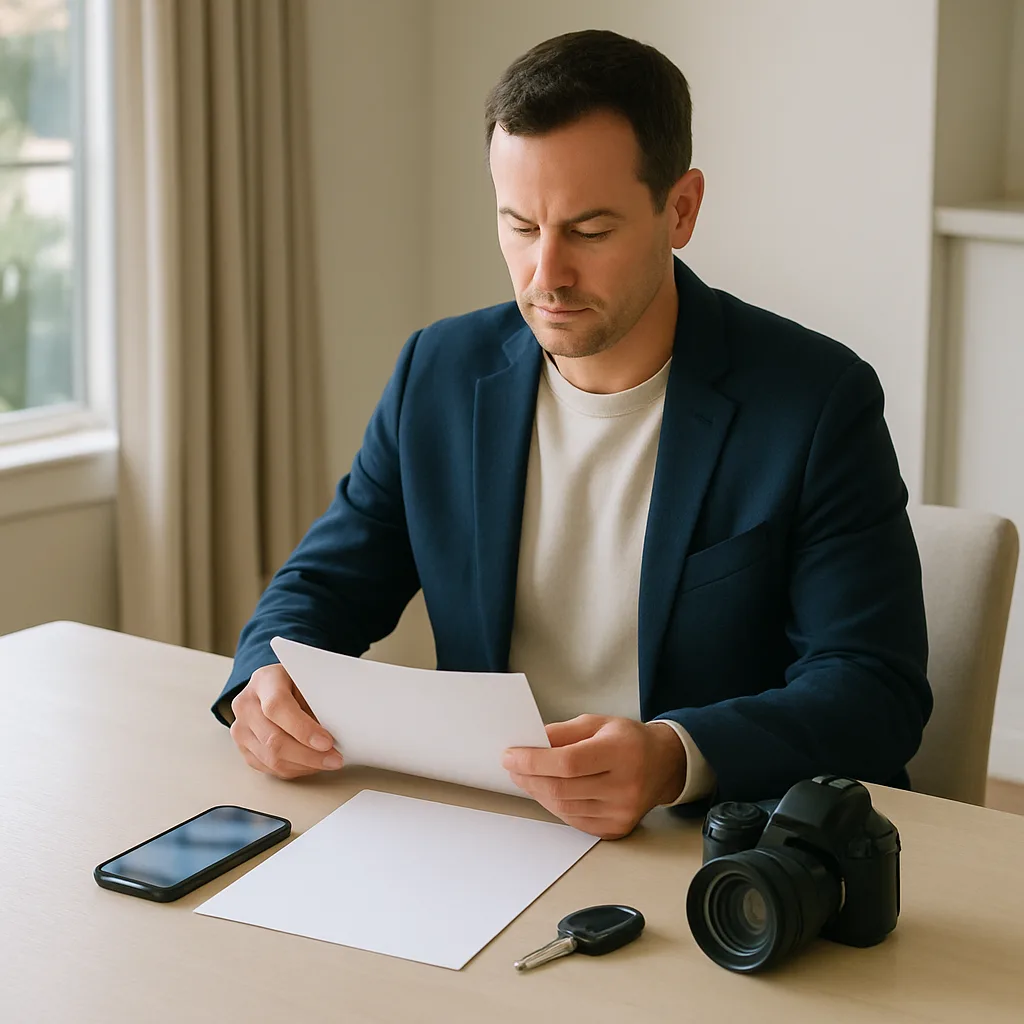
“Full coverage” is an informal term, not a complete description of every benefit in an auto policy. A declarations page and policy documents may help identify:
- Uninsured motorist bodily injury limits
- Underinsured motorist bodily injury limits
- Covered vehicles and insured household members
- Deductibles, exclusions, and conditions for making a claim
- Notice, cooperation, and proof requirements
A resource discussing what full auto insurance coverage may actually include can help explain why coverage labels may not answer every policy question. In some situations, another household policy or an applicable policy covering a vehicle may need to be investigated, but coverage cannot be assumed without reviewing the documents and facts.
Understand the insurer relationship
An uninsured motorist claim is usually presented to the injured person’s own insurer. That insurer may evaluate liability, causation, medical evidence, damages, and policy limits. Although the insurer is handling its policy obligations, its interests may not be identical to the policyholder’s interests in evaluating the full value of a claim. California procedures can also involve specific dispute-resolution provisions, including arbitration language in some policies.
An attorney may help review the policy, organize supporting evidence, and communicate with the insurer. This does not guarantee coverage or a particular result. It can provide a structured way to identify unresolved policy and claim questions.
Protecting Evidence, Medical Records, and Settlement Rights
A no-insurance collision can create pressure to resolve matters quickly, particularly when medical bills or vehicle expenses are accumulating. The value and viability of a claim may depend on evidence developed over time rather than on the first conversation with an adjuster.
Keep a complete claim file
Consider maintaining a folder containing:
- Photographs, videos, witness information, and the crash report
- Insurance policies, declarations pages, claim numbers, and insurer letters
- Medical records and bills received from providers
- A treatment timeline and notes about how the injuries affect daily activities
- Pay records or employer documentation related to time missed from work
- Vehicle repair estimates, towing records, rental information, and receipts
Medical providers determine appropriate care; an attorney does not diagnose injuries or prescribe treatment. From a claim-documentation standpoint, complete and consistent medical records may help connect the reported injuries to the collision and show the course of care. The evidence needed to support a car accident claim provides a broader checklist.
Use care when communicating with insurers
An adjuster may request a recorded statement, medical authorization, photographs, or other information. Read requests carefully and retain copies of anything submitted. Avoid guessing about facts, minimizing symptoms, or making definitive statements about fault and recovery before the investigation is complete.
A settlement release may affect the ability to pursue additional compensation later. Before accepting an offer, it may be useful to understand whether treatment is complete, whether future care is being considered by medical professionals, what policy limits apply, and whether all damages have been documented. Information about what to do after an insurance company low settlement offer may help readers identify questions to raise before signing a release.
A consultation may be particularly useful when liability is disputed, injuries are significant or ongoing, coverage is unclear, multiple policies may apply, or an insurer is requesting a quick settlement. An attorney can explain possible procedures and deadlines based on the specific facts, but the reader remains free to decide how to proceed.
Frequently Asked Questions
Can I recover damages if the uninsured driver has no money?
Possibly, but the answer depends on available insurance coverage, the driver’s assets, the evidence of fault, and the losses involved. An uninsured motorist policy may provide a more practical source of recovery than pursuing an individual driver, but coverage limits and policy conditions matter. A lawyer can review the facts and insurance documents to explain potential avenues without promising a particular outcome.
Does an uninsured motorist claim cover vehicle damage?
It may, depending on the policy and the type of coverage purchased. Uninsured motorist bodily injury coverage is different from collision or other physical-damage coverage, and not every policy treats property damage the same way. Review the declarations page and policy terms, and ask the insurer to identify the specific coverage being evaluated. California policy requirements and available benefits can vary by policy language and circumstances.
What if the driver had insurance but the limits are too low?
That situation may involve underinsured motorist coverage rather than uninsured motorist coverage. The available liability limits, the value of the losses, and the terms of your own policy can affect the analysis. Insurers may require information about the other driver’s policy and any proposed settlement before evaluating underinsured benefits. Because policy coordination can be complicated, a consultation may help clarify the process.
Is there a deadline for an uninsured motorist claim in California?
Potential deadlines can come from the insurance policy, California law, or both. The relevant period may depend on the type of claim, notice, written demands, and dispute-resolution provisions. Waiting can also make evidence and medical documentation harder to preserve. Because deadlines are fact-specific and laws may change, prompt review of the policy and consultation with a licensed California attorney can help identify time-sensitive issues.
How Jeffrey Estes Injury Lawyers Can Help
Jeffrey Estes Injury Lawyers is dedicated to helping injured people understand the insurance and evidence issues that can follow a San Diego, California, collision. The firm can evaluate available policy information, review crash documentation, organize medical and financial records, and explain communications or settlement proposals from an insurer. Its team is committed to fighting for clients’ rights while recognizing that every claim depends on its own facts, policy language, and applicable law.
If you were injured in a crash involving an uninsured or underinsured driver, contact Jeffrey Estes Injury Lawyers for a free consultation or case evaluation. The firm is ready to evaluate your situation and discuss potential legal options.
The information in this article is for educational purposes only and does not constitute legal advice. Contact a qualified attorney licensed in San Diego, California for advice specific to your situation. Laws vary by location and may have changed since publication.