
Common Types of Personal Injury Cases
A crash on I-5, a fall in a grocery store aisle, a fatal collision involving a commercial truck – very different events can lead to the same question: do I have a case? Understanding the types of personal injury cases is the first step toward figuring out whether someone else’s negligence caused the harm and whether compensation may be available.
Personal injury law is not limited to one kind of accident. It covers a wide range of situations where a person, company, property owner, driver, or other party failed to act with reasonable care. Some claims are relatively straightforward. Others involve catastrophic injuries, multiple defendants, corporate insurance carriers, and a serious fight over what the case is worth.
What personal injury cases have in common
Most personal injury claims come down to negligence. In plain terms, that means one party had a duty to act reasonably, failed to do so, and caused injury as a result. The injured person may then pursue compensation for medical bills, lost income, pain and suffering, future treatment, disability, and other losses.
That said, not all cases are built the same way. Liability may be obvious in one matter and hotly disputed in another. A rear-end crash can still become complicated if several vehicles are involved or if the defense argues a preexisting condition. A fall on unsafe property may turn on whether the owner knew about the hazard or should have known about it.
The main types of personal injury cases
Motor vehicle accident cases
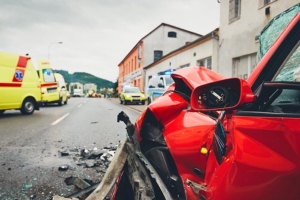
Car accidents are among the most common types of personal injury cases. They often result from speeding, distracted driving, drunk driving, unsafe lane changes, failure to yield, and other preventable conduct. Even a so-called routine crash can leave someone with a traumatic brain injury, spinal trauma, fractured bones, chronic pain, or months of missed work.
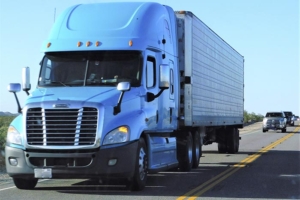
Truck accident cases are different from standard car crash claims in ways that matter. Commercial carriers may have larger insurance policies, but they also move quickly to defend themselves. These cases can involve driver fatigue, overloaded trailers, poor maintenance, negligent hiring, or violations of federal safety rules. The same is true for tour bus collisions and construction vehicle crashes, where employer responsibility and corporate records often play a central role.
Motorcycle accident claims also deserve separate attention. Riders are frequently blamed for crashes they did not cause, and their injuries are often severe. Insurance companies may try to minimize the case by focusing on rider bias instead of the driver who turned left in front of the motorcycle or drifted into the rider’s lane.
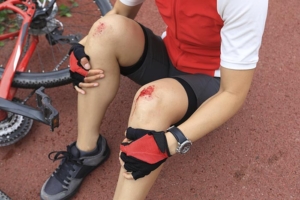
Pedestrian and bicycle accident cases fall into this category as well. These claims tend to involve devastating injuries because the person struck has little physical protection. In urban and coastal areas throughout California, these crashes are common and often tied to inattentive drivers, unsafe intersections, and failure to yield.
Aviation and boating injury cases
Some personal injury matters involve less common but far more complex transportation events. Passenger aircraft accidents, private plane crashes, and boating collisions can trigger detailed investigations and high-stakes litigation. These cases may involve operator error, maintenance failures, mechanical defects, weather decisions, or negligent conduct by companies responsible for passenger safety.
When a case involves aviation or maritime issues, it is not enough to treat it like a standard car wreck claim. The evidence is different, the technical issues are deeper, and the damages are often substantial. That is one reason serious transportation cases require immediate legal attention.
Premises liability cases
Premises liability refers to injuries caused by dangerous property conditions. Slip and fall claims are the example most people know, but the category is broader than that. It can include trip hazards, falling merchandise, inadequate lighting, broken stairs, unsafe railings, negligent security, pool accidents, dog bites, and other hazards on private or commercial property.
The core issue is whether the owner, manager, or occupier failed to keep the premises reasonably safe. That sounds simple, but these cases often turn on timing and notice. How long was the spill on the floor? Had there been prior complaints? Was the hazard open and obvious, or was it hidden? Surveillance footage, maintenance logs, witness statements, and incident reports can make a major difference.
Workplace and construction-related injury cases
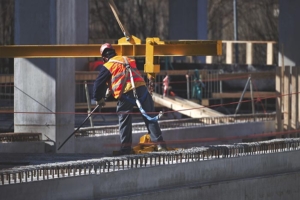
Not every work injury becomes a personal injury lawsuit because many are handled through workers’ compensation. But some workplace accidents involve third-party liability, which can support a separate civil claim for damages. This is especially common on construction sites and in industrial settings.
For example, a worker may be injured by a negligent subcontractor, defective equipment, an unsafe construction vehicle, or a property owner’s dangerous condition. In those cases, the claim may go beyond workers’ compensation and allow recovery for pain and suffering and other losses not available through the comp system alone.
Construction-related cases are often serious because the forces involved are so large. Crush injuries, falls from height, traumatic brain injuries, amputations, and spinal damage can change a family’s financial future in a moment.
Product liability cases
Some injuries happen because a product was dangerously designed, defectively manufactured, or sold without adequate warnings. These are product liability cases. They can involve vehicles, tires, machinery, tools, consumer goods, medical devices, pharmaceuticals, and safety equipment.
Unlike a simple negligence case, product claims may focus on whether the product itself was unreasonably dangerous. These matters can become technically demanding and expert-heavy very quickly. They also often involve large manufacturers with aggressive legal teams, which is why early case development matters.
Medical negligence and other professional negligence cases
When a doctor, hospital, nurse, or other medical provider makes a preventable mistake that causes harm, the case may fall under medical malpractice rather than a general injury claim. Surgical errors, delayed diagnosis, medication mistakes, birth injuries, and failures to monitor patients are common examples.
These cases are some of the most heavily defended in civil litigation. They require proof not just that a bad outcome occurred, but that the provider fell below the accepted standard of care. That distinction matters because not every complication is malpractice.
Other professional negligence claims can arise in specialized settings as well, though they are less common in day-to-day injury practice.
Wrongful death cases
Some of the most serious types of personal injury cases are wrongful death claims. When negligence causes a fatal injury, surviving family members may have the right to pursue damages related to financial support, funeral expenses, and the loss of love, companionship, care, and guidance.
Wrongful death cases often arise from car crashes, trucking collisions, motorcycle accidents, unsafe property conditions, workplace events, and defective products. They are emotionally difficult and legally significant. Insurers may still try to reduce value or shift blame, even when a family is dealing with unimaginable loss.
Why the type of case affects value
Two people can both suffer injuries and still have claims with very different values. The type of accident matters, but so do the severity of the injuries, available insurance coverage, the clarity of liability, future medical needs, and how the injury affects work and daily life.
A soft tissue injury after a minor collision is not valued the same way as a permanent brain injury after a truck crash. A wrongful death case involving a high-income parent raises different damages issues than a premises claim with limited treatment. There is no honest one-size-fits-all formula.
This is also where insurance companies tend to press hardest. They may argue the injuries are overstated, treatment was unnecessary, a prior condition is to blame, or the victim was partly at fault. California’s comparative fault rules can affect recovery, which means the details matter.
When a case becomes more complex than it looks
Some claims look simple at first and become more difficult after a closer review. A crash may involve an employer because the at-fault driver was working at the time. A premises case may uncover a maintenance contractor or security company. A product issue may be part of a larger failure involving several entities.
Serious injury cases also require forward-looking proof. It is not enough to show what happened in the emergency room. The case may need evidence about future surgeries, long-term rehabilitation, diminished earning capacity, home modifications, and ongoing pain. That is why trial-ready preparation matters long before a courtroom date is ever set.
At Jeffrey Estes Injury Lawyers, that approach is central to how significant cases are handled – direct attorney involvement, serious case development, and pressure on insurers to pay attention.
What injured people should do next
If you are trying to identify where your situation fits among the types of personal injury cases, the better question may be this: did someone else’s carelessness cause serious harm? If the answer may be yes, waiting too long can hurt the case. Evidence disappears, witnesses become harder to find, and insurers start shaping the narrative early.
Prompt legal guidance can help preserve proof, identify every potentially responsible party, and put a realistic value on the claim. That does not mean every case ends in trial, but it does mean the case should be prepared as if it might.
The strongest claims are rarely built on paperwork alone. They are built on facts, timing, and a law firm willing to take the case seriously from day one. If you are facing medical bills, lost income, or the loss of a loved one after a serious accident, getting clear answers now can make the road ahead more manageable.