
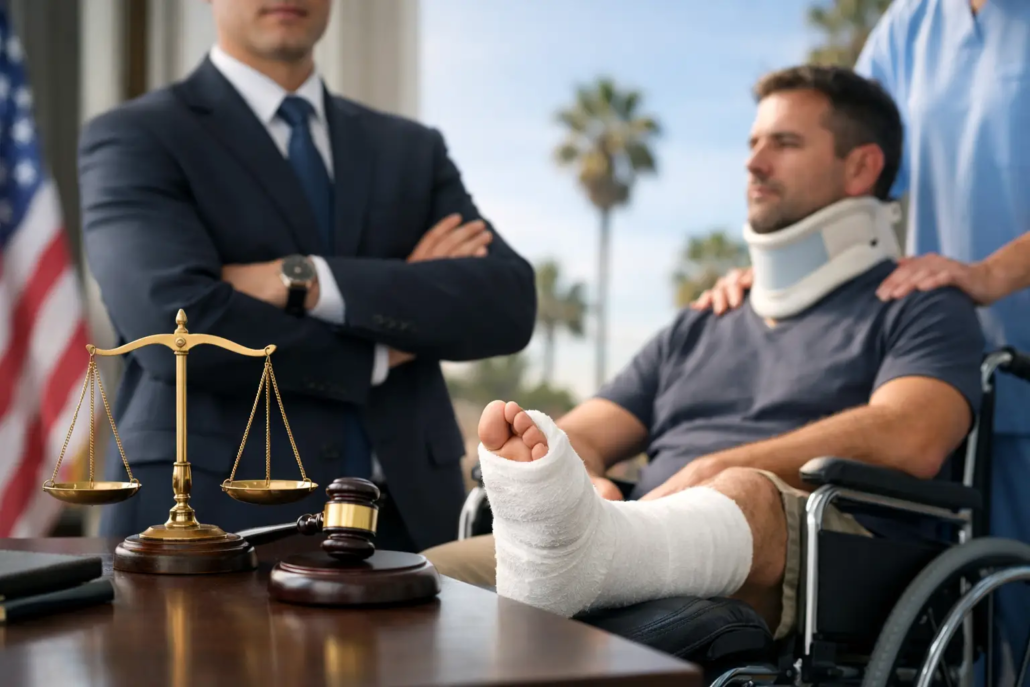
Catastrophic Injury Lawyer California
A spinal cord injury changes the math of a family’s life overnight. The ambulance ride is only the beginning. Then come surgeries, specialists, home modifications, lost income, insurance pressure, and the hard realization that life may not return to what it was before. That is when a catastrophic injury lawyer California victims can rely on becomes more than a legal option. It becomes part of how a family protects its future.
Catastrophic injury cases are not ordinary personal injury claims with bigger medical bills. They are legally and financially different because the harm is permanent or long term, the stakes are higher, and the defense usually fights harder. When the injury affects a person’s ability to work, live independently, think clearly, or care for themselves, every decision in the case matters.
What makes an injury catastrophic?
California law does not limit catastrophic injury to one narrow list, but in practice the term usually applies to injuries that cause severe, lasting impairment. That can include traumatic brain injuries, spinal cord damage, paralysis, severe burns, amputations, crush injuries, loss of vision, and serious neck or back trauma with permanent disability. In the most tragic cases, the harm leads to wrongful death.
What matters is not only the diagnosis. It is the real-life impact. If someone now needs lifelong treatment, cannot return to the same work, faces chronic pain, or requires help with daily activities, the case may fall into this category. A broken bone can be serious, but a brain injury that disrupts memory, speech, and judgment carries a different scale of loss.
Why catastrophic injury cases are harder to win
A strong catastrophic injury claim needs more than proof that an accident happened. The legal team must connect negligence to the full extent of the harm and then prove what that harm will cost over years or decades. That sounds straightforward until the defense brings in its own doctors, economists, and experts to argue the injuries are not as severe, were caused by something else, or will not affect earning ability as much as claimed.
This is where trial-ready preparation matters. Insurance companies often respond differently when they know the lawyer on the other side is prepared to take a case into court, present expert testimony, and build damages in a way a jury can understand. Serious cases are not handled well by a volume-based approach where clients are passed from intake staff to case managers. They demand direct attorney attention, careful evidence work, and a willingness to push past low offers.
What a catastrophic injury lawyer in California actually does
A catastrophic injury lawyer in California should begin by investigating liability quickly and thoroughly. In a truck crash, that may mean examining driver logs, maintenance records, electronic data, and company safety practices. In a construction vehicle collision, it may involve multiple contractors, employers, equipment owners, and insurers. In a passenger aircraft or boating case, the technical issues can become even more complex.
Just as important, the lawyer must build the damages side of the claim with the same intensity. That includes collecting medical records, consulting treating physicians, working with life care planners, and evaluating future losses that may extend for decades. The goal is not to guess at a settlement number. The goal is to document the full cost of what negligence has taken.
Clients should also expect clear guidance through insurance communications, lien issues, and case timing. Families dealing with severe injuries do not need vague promises. They need honest advice about what the case is worth, how long it may take, and where the pressure points are likely to be.
Compensation in a catastrophic injury case
The biggest mistake in these cases is focusing only on current bills. Catastrophic harm creates layers of loss that continue long after the emergency room visit. Compensation may include hospital care, surgeries, rehabilitation, medications, assistive equipment, future treatment, in-home care, and modifications to a vehicle or home.
Lost income is often only the start of the financial damage. Many people cannot return to the same occupation, cannot work the same hours, or cannot work at all. That means diminished earning capacity can become one of the largest components of the case. For a younger worker or parent with decades of expected income ahead, the numbers can be substantial.
Then there are the human damages. Pain, emotional distress, loss of independence, disfigurement, and loss of enjoyment of life are not side issues. They are central to catastrophic injury litigation. A person who can no longer walk, think the same way, lift a child, or sleep without pain has suffered losses that deserve serious legal treatment.
In some cases, a spouse or family may also have related claims. And when negligence causes a death, surviving relatives may be entitled to wrongful death damages. The exact value depends on the facts, and no honest lawyer should promise a number at the start. But a serious evaluation should account for the full picture, not just the easiest items to total.
When to hire a catastrophic injury lawyer California residents can trust
The short answer is early. Evidence disappears. Witness memories fade. Vehicles get repaired. Corporate defendants start building their defense immediately, and insurers often reach out before the injured person understands the long-term impact of what happened.
Early representation can help preserve evidence and prevent costly mistakes. That does not mean a case settles immediately. In fact, catastrophic injury claims often need time so doctors can better understand prognosis and future limitations. But waiting too long to involve counsel can weaken the case before it truly begins.
California also has filing deadlines, and some claims involve shorter notice requirements depending on the defendant. If a government entity is involved, the timeline can be much tighter than people expect. Delay is rarely helpful in a serious injury matter.
How to choose the right lawyer for a catastrophic injury case
Not every personal injury firm is built for this work. A billboard and a call center are not the same thing as a litigation team that can handle complex damages, multiple defendants, and aggressive insurance tactics. Ask who will actually manage the case. Ask whether you will work directly with an attorney. Ask about trial experience, major injury results, and whether the firm has handled injuries similar to yours.
It also makes sense to look at how the lawyer talks about the case. If the conversation feels rushed or generic, that is a warning sign. Catastrophic injury claims are personal, high stakes, and fact specific. You should hear questions about your treatment, work history, daily limitations, future care, and family impact. The details matter because that is where value is built.
For many injured Californians, personal access matters as much as credentials. You should not have to chase updates or wonder whether your lawyer knows your name. Firms that emphasize direct attorney involvement often provide stronger strategic attention because the person making case decisions is actually engaged from the start.
A serious case deserves a serious legal strategy
Defendants and insurers evaluate risk. They look at the injury, the evidence, the venue, the experts, and the lawyer across the table. If they believe the plaintiff’s side is unprepared to try the case, settlement leverage can drop fast. If they see disciplined preparation and a credible courtroom threat, the conversation changes.
That does not mean every catastrophic injury case should be rushed into trial. Often, the best outcome comes from strong negotiation backed by real readiness. But readiness must be genuine. It has to show up in the investigation, the medical proof, the damages model, and the way the case is presented.
At Jeffrey Estes Injury Lawyers, that philosophy is central to serious injury litigation. Clients work directly with attorneys, and cases are prepared with the understanding that meaningful compensation often comes from thorough, forceful advocacy rather than quick processing.
If you or someone you love is facing life-altering injuries after a crash, workplace incident, or other act of negligence, trust your instincts about the stakes. When the injury is permanent, the legal response should be every bit as serious as the harm itself.