
When Is a San Diego Car Accident a Wrongful Death Claim?
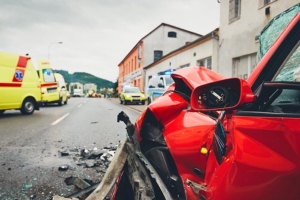
A fatal car crash can leave a family facing grief, urgent financial decisions, and confusing communications from several institutions. You may hear about a police investigation, an insurance claim, a probate matter, and a possible lawsuit—all at the same time. A fatal collision does not automatically establish civil liability, but it may support a San Diego car accident wrongful death claim when another party’s legally actionable conduct caused the death and surviving family members experienced legally recognized losses.
Jeffrey Estes Injury Lawyers provides information to help families understand these overlapping issues. This California wrongful death lawsuit guide for families offers broader background, while this article focuses on the practical questions that arise immediately after a fatal crash in San Diego, California. The discussion covers what distinguishes a civil claim, how to preserve evidence and financial records, how to coordinate with insurers and relatives, and why individualized legal guidance matters.
When Does a San Diego Car Accident Become a Wrongful Death Claim?
Generally speaking, a wrongful death claim is a civil claim brought by eligible survivors when a person’s death was caused by another party’s wrongful act, negligence, or other legally actionable conduct. In a car crash, potential evidence may involve unsafe driving, impairment, distraction, speeding, a defective vehicle, or a dangerous roadway condition. The specific facts and applicable California law determine whether a claim exists.
A death alone does not prove negligence. The family or representative generally must connect the conduct to the collision and then document the losses recognized under California law. Police findings, photographs, vehicle data, witness accounts, medical and coroner records, and expert analysis may all be relevant.
Civil liability is separate from criminal charges
The San Diego Police Department, California Highway Patrol, or another agency may investigate the crash. Prosecutors—not the family—decide whether criminal charges are filed. A criminal case asks whether the evidence supports a public offense, while a civil wrongful death claim seeks compensation for qualifying losses. A criminal prosecution is not required in every civil claim, and an arrest or charge does not by itself resolve civil liability.
Wrongful death, survival, and probate are different
A wrongful death claim generally addresses losses suffered by surviving heirs or other authorized claimants. A survival action, by contrast, may address claims belonging to the deceased person’s estate, including certain losses incurred before death. Probate may be needed to administer property and estate rights. Reviewing California wrongful death and survival actions can help explain why these claims should not be treated as interchangeable.
What Should a San Diego Family Document After a Fatal Crash?
The first priority is safety and emotional support. Families should avoid investigating a crash scene themselves or confronting witnesses. When it is safe and appropriate, preserving information promptly can help prevent important evidence from being lost.
Useful records may include:
- The collision report or incident number, agency contact information, and related coroner or medical examiner records.
- Photographs or videos already taken at the scene, vehicle damage, road conditions, traffic controls, and visible lighting or weather conditions.
- Names and contact information for witnesses, nearby businesses, residents, or others who may know about surveillance footage.
- Insurance policy information, claim numbers, correspondence, and notes of calls with adjusters.
- Funeral, burial, transportation, and related expense records.
- Pay statements, tax records, benefits information, employment records, and evidence of household services or financial support provided by the deceased.
Families can also review guidance about preserving witness and video evidence after a San Diego collision. Security footage may be overwritten, vehicles may be repaired or moved, and memories can change. A lawyer or investigator may be able to send preservation requests or identify additional sources without asking relatives to conduct unsafe inquiries.
Coordinate family decisions carefully
California rules identify who may bring a wrongful death claim and how eligible relatives may be involved. Spouses, domestic partners, children, and other relatives may have different rights depending on the family circumstances. Before one person gives a detailed account, signs a release, or makes settlement decisions for everyone, it may be useful to understand who may file a California wrongful death lawsuit. Clear communication can reduce inconsistent statements and avoid preventable disputes among family members.
How Do Insurance, Damages, and Deadlines Affect the Claim?
Insurance contact often begins quickly, sometimes before the family understands what happened. The family may need to identify the at-fault driver’s insurer, the deceased person’s automobile coverage, and potentially other applicable policies. Reporting a loss and cooperating with basic claim administration are different from agreeing with an insurer’s fault assessment or signing a broad release.
Families should keep copies of every letter, email, estimate, bill, and recorded communication. They should also be cautious about guessing at speed, impairment, fault, or the deceased person’s medical condition. Guidance on handling a recorded insurance statement after a San Diego crash may help explain why an incomplete or misunderstood statement can complicate later evaluation.
Organize losses without assuming a value
Potentially relevant losses can include funeral and burial expenses, the value of financial support and household services, and the loss of companionship or other relationship-based benefits recognized by California law. Records do not guarantee that an item will be recoverable, but they help an attorney evaluate the claim. Families can review information about wrongful death damages in California while gathering documents.
Deadlines depend on the claim and responsible party
California filing periods vary according to the type of claim, the defendant, and other circumstances. A claim involving a government entity may also involve special notice requirements. The relevant forum may include the San Diego County Superior Court, but the proper process depends on the facts. Families should not rely on a general online deadline; San Diego car accident claim deadlines explains why prompt, individualized review can matter.
When alcohol or drug impairment is suspected, the criminal and civil tracks still remain separate. Evidence from an investigation may be relevant to a civil case, but prosecutors control criminal decisions. In limited circumstances, conduct supporting a DUI-related claim may also raise questions about punitive damages after a San Diego DUI crash. Whether such damages can be pursued requires a fact-specific legal analysis.
Frequently Asked Questions
Does a criminal conviction have to happen before a wrongful death claim can begin?
No. A civil wrongful death claim and a criminal prosecution are separate proceedings with different purposes and standards. A prosecutor decides whether to file criminal charges, while eligible family members may pursue a civil claim based on the available evidence. The absence of charges does not automatically prevent a civil case, and a conviction does not automatically establish every element of civil liability.
Can the deceased person’s own conduct affect a California wrongful death claim?
It may. California generally applies comparative-fault principles, meaning evidence that the deceased person contributed to the collision may affect liability or damages. The effect depends on the facts, available evidence, and applicable law. Families should avoid making assumptions based only on an initial report, because crash investigations can develop as vehicle data, witnesses, and expert opinions are reviewed.
What if the other driver has little or no insurance?
Available insurance may still require review, including uninsured or underinsured motorist coverage that could apply under the deceased person’s policy or another policy connected to the household. Coverage language and policy limits matter, and an insurer’s position may not answer every legal question. An attorney can evaluate the available policies and potential responsible parties based on the specific circumstances.
Can family members receive funeral assistance before a claim is resolved?
Some insurance policies, public programs, or community resources may offer limited assistance, but eligibility varies. Accepting a payment or signing a release can affect later rights depending on its terms. Families should preserve funeral and burial invoices and understand what a payment represents before agreeing to final claim documents. Individualized advice is especially important when multiple heirs or estate issues are involved.
How Jeffrey Estes Injury Lawyers Can Help
Jeffrey Estes Injury Lawyers is dedicated to helping families understand the civil issues that may follow a fatal car crash in San Diego, California. The firm can review available evidence, identify potentially responsible parties, explain the distinction between wrongful death and survival claims, and help organize insurance, funeral, employment, and household-loss records. The team is committed to fighting for the family’s rights while recognizing that each situation requires careful, individualized analysis.
If your family is coping with a fatal collision, contact Jeffrey Estes Injury Lawyers for a free consultation or case evaluation. The firm is ready to evaluate your situation and explain potential legal options without promising a particular result.
The information in this article is for educational purposes only and does not constitute legal advice. Contact a qualified attorney licensed in San Diego, California for advice specific to your situation.