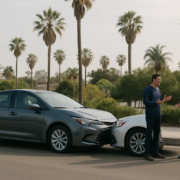
Could Limited Bumper Damage Support San Diego Injury Claims?
A collision can leave a bumper with little visible damage while leaving a person with pain, stiffness, headaches, or other symptoms that are not immediately obvious. If you are researching a low-impact car accident injury claim in San Diego, California, you may be wondering whether an insurer or another driver will take your injury seriously when the vehicles appear mostly intact.
Vehicle damage is relevant, but it is only one part of the analysis. Crash direction, occupant position, restraint use, medical findings, symptom timing, prior health history, and the consistency of the available records may all matter. Jeffrey Estes Injury Lawyers provides educational guidance for people trying to understand how these issues fit together.
This article explains why a minor-looking collision can still cause injury, what evidence may help connect an injury to a crash, how insurers may evaluate the claim, and why prompt, accurate documentation matters. It is not necessary to assume that limited property damage proves either that an injury exists or that it does not; the facts require a careful review.
Why a Low-Impact Car Accident Injury Claim in San Diego Can Still Be Serious
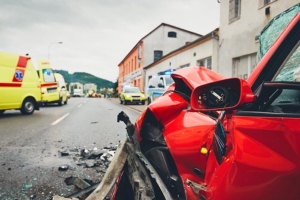
A vehicle’s bumper is designed to absorb or distribute some collision energy. Its appearance after a crash does not necessarily measure every force experienced inside the passenger compartment. Even a relatively modest impact can involve sudden movement of the head, neck, back, or other body parts, depending on the angle, speed change, seating position, and whether the person was prepared for the collision.
Visible damage is not the same as medical harm
Modern vehicles may also be built to limit cosmetic damage in certain impacts while still transmitting force to occupants. A vehicle may be repairable with a relatively small estimate, yet an occupant may report symptoms that warrant medical assessment. That does not mean every low-damage collision caused an injury. It means repair cost alone is not a complete causation analysis.
Symptoms may develop after the crash
Stress and adrenaline can make it difficult to notice discomfort immediately. Some symptoms may become clearer later as normal activity resumes. Information about delayed car accident injuries in San Diego can help explain why a later onset does not automatically disprove a connection to the collision.
A medical professional, rather than an insurer or article, must evaluate symptoms and determine appropriate care. In a potential claim, the timing of complaints and the medical record may be important. A person who feels fine at the scene and notices pain later should describe the timing accurately rather than guessing or exaggerating.
What Evidence Can Support a Minor Car Accident Injury Claim in California?
In San Diego, California, an injury claim is generally evaluated through the totality of the available evidence. The insurer may focus on the limited bumper damage, but other information can provide context about what happened and how symptoms developed.
Useful records may include:
- Photographs of all vehicles, the roadway, and the collision area;
- Repair estimates, inspection findings, and photographs taken before repairs;
- The San Diego crash report, witness contact information, and driver statements;
- Medical records describing complaints, examination findings, testing, and treatment; and
- A clear chronology showing when symptoms began, how they changed, and how they affected ordinary activities.
The evidence that can support an injury claim may be especially important when the property-damage photographs do not appear dramatic. A consistent record is generally more useful than a single unsupported statement. Records should be preserved honestly; creating, altering, or overstating evidence can damage credibility.
Medical causation requires more than a damage estimate
Causation asks whether the collision caused or contributed to the claimed condition. Medical professionals may consider the examination, diagnosis, imaging when appropriate, treatment history, symptom chronology, and other possible causes. In more disputed matters, understanding the role of a medical expert witness in a car accident claim may help explain how medical and crash-related information can be interpreted together.
Prior symptoms or conditions do not automatically eliminate a claim. They may, however, make the medical history and before-and-after comparison more important. The relevant question depends on the facts, records, and professional opinions in the particular case.
How to Build a Clear Record After a Low-Impact San Diego Collision
Prompt action can help preserve information while details are fresh. This is not a substitute for legal or medical advice, and the appropriate steps depend on the circumstances. Generally, a person involved in a collision may consider the following documentation practices:
- Record the scene. When safe, photograph vehicle positions, visible damage, roadway conditions, and relevant surroundings. Do not place yourself in danger to obtain images.
- Seek an appropriate medical evaluation. Explain that a collision occurred, identify symptoms accurately, and follow the provider’s instructions. Do not minimize symptoms simply because the vehicle damage appears small.
- Track changes in symptoms. A brief factual log can record onset, activities affected, appointments, and changes over time. It should be accurate, not argumentative.
- Preserve records. Keep medical paperwork, bills, repair documents, photographs, insurance correspondence, and witness information in an organized location.
- Communicate carefully with insurers. Before giving a recorded statement, understand what is being requested and answer truthfully. Information about whether to give a recorded statement after a San Diego crash may help readers understand why accuracy and context matter.
A person may also review the San Diego crash report process to understand how a report can supplement photographs and medical records. Reports can contain useful facts, but they may not capture every symptom or later medical development.
If an insurer argues that low damage means no injury occurred, the response ordinarily depends on evidence rather than pressure. Photographs, vehicle positions, statements, medical findings, and a consistent chronology may help address evidence to address a denied-fault San Diego crash claim. California filing deadlines can also vary based on the defendant and type of claim, so readers should not assume that waiting for symptoms to develop eliminates the need to consider the deadline for a San Diego car accident claim.
Frequently Asked Questions
Can a fender bender cause a serious injury in California?
It can, although the answer depends on the collision mechanics, the person’s health, and medical findings. A small amount of exterior damage does not by itself establish that an injury occurred, but it also does not automatically rule one out. A licensed medical professional can evaluate symptoms, while claim evidence may address whether the collision caused or contributed to the condition.
What if my pain started several days after the San Diego crash?
Delayed symptoms can occur, and later onset alone does not determine whether a claim is valid. The timing should be reported accurately to a medical provider and documented consistently. Other facts may matter, including activities between the crash and symptom onset, prior conditions, examination findings, and whether the symptoms remain consistent with the reported event.
Can an insurer deny my claim because the car was barely damaged?
An insurer may question a claim when property damage appears limited, but a damage estimate is not the only information considered. Medical records, photographs, witness accounts, crash details, and symptom chronology may provide additional context. If liability or causation is disputed, a San Diego attorney may review the available evidence and explain potential options.
When might I consult a lawyer about a low-damage crash?
A consultation may be useful when symptoms persist, treatment is questioned, fault is disputed, records are incomplete, or an insurer focuses only on repair costs. Readers considering San Diego car accident lawyers for serious injury claims can discuss the facts, available documentation, and applicable California deadlines without assuming a particular outcome.
How Jeffrey Estes Injury Lawyers Can Help
Jeffrey Estes Injury Lawyers is dedicated to helping San Diego, California, collision victims understand how vehicle damage, medical findings, and other evidence may affect an injury claim. The firm is committed to fighting for clients’ rights while examining the crash circumstances, symptom chronology, records, insurance communications, and potential causation issues.
If a low-impact collision has led to ongoing symptoms or an insurer is questioning whether the crash caused an injury, the team is ready to evaluate your situation. Contact Jeffrey Estes Injury Lawyers for a free consultation or case evaluation and to explore your legal options.
The information in this article is for educational purposes only and does not constitute legal advice. Contact a qualified attorney licensed in San Diego, California for advice specific to your situation.