San Diego Rideshare Passenger Injury Claim: What To Do?
A rideshare trip can feel routine until another vehicle strikes the car, the driver brakes suddenly, or a collision occurs on a busy San Diego roadway. If you are hurt, you may not know which insurer to contact, what information to preserve, or whether the rideshare driver’s personal policy applies. A San Diego rideshare passenger accident injury claim can involve the rideshare company, the driver’s insurance, and another driver’s insurer.
Jeffrey Estes Injury Lawyers helps injured people understand the issues that may affect a claim without assuming that every case follows the same path. This guide explains what to document, how trip status can affect insurance coverage, why medical records matter, and how to avoid statements that could be misunderstood. It is general information for people involved in Uber, Lyft, or similar app-based transportation collisions in San Diego, California.
What to Preserve After a San Diego Rideshare Passenger Accident Injury Claim
The first useful step in many cases is creating a reliable record of what happened. Rideshare apps generate information that may later help identify the trip, driver, vehicle, route, and timing. Some information may be harder to locate as time passes, so preserving it early can be important.
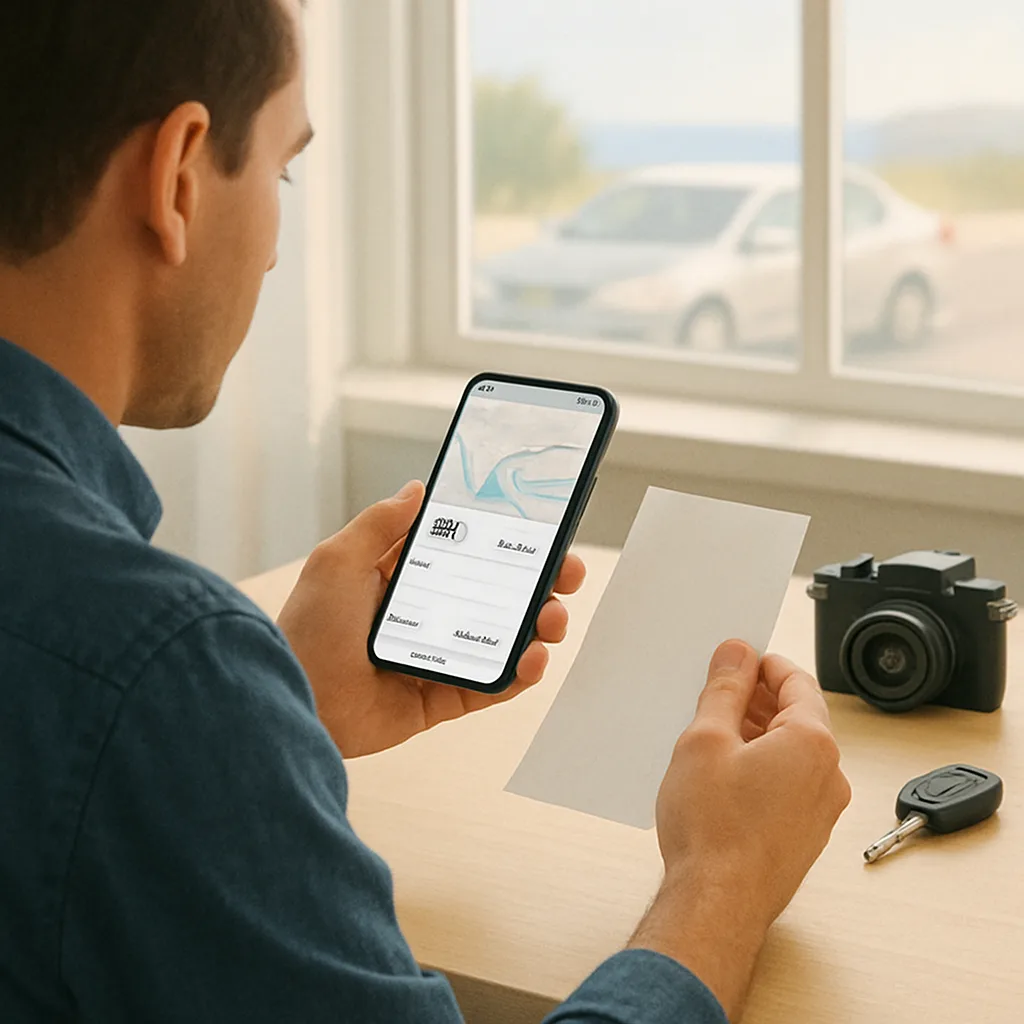
Save trip and crash information
Consider keeping copies or screenshots of:
- The trip receipt, route, pickup and drop-off details, and driver information.
- In-app messages, notifications, cancellation records, and payment information.
- Photographs of the vehicles, surrounding roadway, traffic controls, and visible damage.
- Names and contact information for witnesses, responding officers, and other drivers.
- Any incident or collision report number provided by law enforcement.
Do not alter photographs or delete app communications. If you cannot access the trip history, note the date, approximate time, pickup location, destination, and account used for the ride. In San Diego, California, a collision might involve local streets, freeways, airport traffic, or roads near large event venues; those details can help organize the investigation.
Obtain medical care and retain records
If you feel pain, dizziness, or other symptoms after a crash, prompt medical evaluation may help address your health needs and create a record of the complaints you report. Avoid diagnosing yourself or assuming that a symptom is minor. Keep bills, discharge paperwork, prescription information, work-related records, and appointment details. Medical documentation does not by itself establish liability, but it can help show the nature and timing of an injury claim.
How Rideshare Insurance and Liability Questions Intersect in California
A rideshare passenger may be injured because of the rideshare driver’s conduct, another driver’s conduct, a vehicle issue, or a combination of factors. Determining who may be legally responsible generally requires examining the collision evidence rather than relying only on the fact that a rideshare vehicle was involved.
Insurance coverage can also depend on the driver’s status in the app. In general terms, different coverage questions may arise when the driver is:
- Not logged into the rideshare platform and using the vehicle for personal purposes.
- Logged in and available to accept a ride but not yet matched with a passenger.
- Traveling to pick up a passenger after accepting a request.
- Transporting a passenger during an active trip.
The applicable insurance may vary with the driver’s status, the rideshare company’s policies, the driver’s personal policy, and the facts of the collision. California’s insurance requirements and contract rules may affect the analysis, but policies can contain exclusions, conditions, and reporting procedures. An attorney may need to review the available policies and records before determining which claims or defenses could apply.
If another vehicle was involved, that driver’s liability insurer may also be relevant. In some situations, the other driver may have limited or no insurance, which can raise additional questions about uninsured or underinsured motorist protection. Those issues are fact-specific and may involve more than one claim. A collision report from the San Diego Police Department, California Highway Patrol, or another responding agency may provide useful starting information, but it may not resolve insurance responsibility by itself.
Protecting Your Rights During the Claim Process
Insurance representatives may contact passengers to gather facts, confirm coverage, or evaluate an injury claim. Cooperation with routine claim handling does not mean you must guess about medical details, accept a premature explanation of fault, or agree to a settlement before understanding the available information.
Common mistakes to avoid
Depending on the circumstances, an attorney may advise you to be cautious about:
- Giving a recorded statement before reviewing the basic accident and medical information.
- Saying that you are “fine” or minimizing symptoms when you are still being evaluated.
- Speculating about speed, fault, or how the collision occurred.
- Signing a release or accepting payment without understanding what claims it may affect.
- Posting photographs or comments about the crash or your recovery on social media.
- Waiting so long that evidence, witnesses, or potentially applicable deadlines become more difficult to address.
A passenger can often begin by organizing the trip receipt, medical records, photographs, witness information, and insurance communications in one secure location. Do not contact another party’s insurer using a script or strategy designed for someone else’s circumstances. A lawyer familiar with California personal injury claims can explain the general process, identify missing information, and discuss whether representation may be appropriate.
For a case filed in San Diego County, the Superior Court of California, County of San Diego may be the relevant court, depending on the parties, amount in controversy, and other procedural factors. Court rules, filing requirements, and legal deadlines can change and depend on the claim. Early legal review may help a passenger understand those issues without making assumptions about the outcome.
Frequently Asked Questions
Can I make a claim if I was injured while riding in an Uber or Lyft in San Diego?
Potentially. A passenger’s claim may depend on who caused the collision, the rideshare driver’s status at the time, available insurance, the nature of the injuries, and other evidence. The rideshare company, driver, or another motorist may each raise different coverage or liability issues. A review of the trip records, collision evidence, and medical documentation can help clarify which options may be available under California law.
What information should I give an insurance company after a rideshare crash?
You can generally provide basic identifying and accident information, but avoid guessing about fault, the full extent of your injuries, or future medical needs. A recorded statement or signed document may have lasting significance. Before making detailed statements or accepting payment, many passengers choose to consult a licensed California personal injury attorney who can explain the potential implications based on the specific facts.
Does the rideshare driver’s personal insurance always pay for passenger injuries?
No. Coverage is not determined solely by the driver’s personal policy. The driver’s app status, the active trip, the rideshare company’s insurance terms, policy exclusions, and the conduct of other involved drivers may all matter. California insurance questions are fact-specific, and identifying the correct insurer may require reviewing app records, policy information, the collision report, and other evidence.
How long do I have to pursue a rideshare injury claim in California?
California deadlines can vary based on the type of claim, the parties involved, and whether a government entity is implicated. The date of the collision is not the only detail that may matter. Because missing a deadline can affect legal options, an injured passenger may benefit from obtaining advice from a licensed attorney promptly rather than relying on a general online estimate.
How Jeffrey Estes Injury Lawyers Can Help
Jeffrey Estes Injury Lawyers is dedicated to helping injured passengers understand the practical and legal issues that can follow a rideshare collision. The firm can evaluate available trip information, collision evidence, medical documentation, and potential insurance sources while explaining the claims process in clear terms. Its team is committed to fighting for clients’ rights and is ready to evaluate your situation without assuming that every rideshare case is the same.
If you were an injured passenger in a car accident in San Diego, contact Jeffrey Estes Injury Lawyers for a free consultation or case evaluation. The firm can discuss your circumstances and help you explore your legal options.
Disclaimer: The information in this article is for educational purposes only and does not constitute legal advice. Contact a qualified attorney licensed in San Diego, California for advice specific to your situation.