Who Shares a San Diego Commercial Truck Blind-Spot Claim?
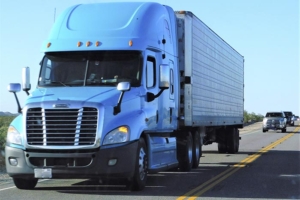
A truck changes lanes beside you, and suddenly the passenger-side mirror disappears from view. In a large commercial vehicle, several areas around the cab and trailer may not be visible to the driver through ordinary mirrors. That does not automatically establish fault, but it can make a collision’s evidence especially important.
In a San Diego truck blind spot accident claim, liability may depend on what the driver did, what the carrier required, who owned or maintained the truck, and whether another party contributed to the crash. Commercial vehicle liability after a California crash may involve multiple responsible parties and different insurance policies. Jeffrey Estes Injury Lawyers helps readers understand the issues that can arise without assuming the outcome of any particular case.
This article explains who may be involved, what to document immediately, how to handle medical care and commercial insurers, and what can happen when fault is disputed.
Who May Be Liable in a San Diego Truck Blind Spot Accident Claim?
A blind spot is a visibility limitation, not a legal conclusion. A truck driver may still be expected to use available mirrors, signaling, and reasonable observation before moving into another lane. Whether the driver failed to check a blind spot can depend on the roadway, traffic, lighting, vehicle configuration, and timing of the maneuver.
Potentially responsible commercial parties
Depending on the evidence, a claim may involve:
- The truck driver: A lane change without adequate observation, signaling, or a reasonable opportunity to avoid the collision may be relevant.
- The carrier or employer: A trucking company may be examined for hiring, training, supervision, scheduling, dispatch, and safety practices.
- The vehicle owner or lessor: Ownership, leasing, and control arrangements can affect which entity had duties involving the truck.
- A maintenance provider: Faulty mirrors, cameras, lighting, tires, or other safety equipment may raise separate questions about inspection or repair.
- A broker, manufacturer, or other entity: In some cases, contracting arrangements or a defective component may require additional investigation.
The parties who may be liable after a truck accident depend on the roles those entities actually played. California comparative-fault principles may also affect how responsibility is allocated when more than one person or entity contributed to an injury. The specific facts and applicable law matter.
What Evidence Can Identify Liability After a Truck Blind-Spot Collision?
Evidence can disappear quickly after a commercial crash. A vehicle may be repaired, a trailer may leave the area, and video systems may overwrite recordings. In San Diego, California, photographs and witness information can help preserve the basic scene while more detailed records are evaluated.
Document the truck and collision scene
If it is safe and medically practical, useful documentation may include:
- The truck’s company name, unit number, license plate, trailer identification, and visible markings
- The side of the truck involved, including mirrors, cameras, blind-spot areas, and points of contact
- Each vehicle’s lane position, direction of travel, traffic signals, roadway markings, debris, and nearby businesses
- Damage patterns, broken parts, paint transfer, skid marks, and the final resting positions of the vehicles
- Names and contact information for witnesses, responding officers, and anyone who captured video
These images should show context as well as close-up damage. A description written later can also help preserve what was observed, but it is generally important to avoid guessing about speed, distance, or what the truck driver could see.
Investigate the carrier and equipment
A carrier-level investigation may examine driver qualification and training materials, inspection records, maintenance history, dispatch practices, scheduling, hours-of-service compliance, onboard camera footage, and telematics. Company policies may also show whether blind-spot checks and lane-change procedures were addressed. How trucking-company violations can affect liability can help explain why the company’s records may matter separately from the driver’s account.
What Should You Do After a San Diego Truck Blind Spot Accident?
The first priorities after a collision are safety and medical attention. If emergency personnel are present, provide accurate information about symptoms and how the collision occurred. Even when discomfort seems minor, symptoms can change after a stressful event. A healthcare professional can evaluate the condition and explain any appropriate follow-up; this article does not provide medical advice.
Preserve injury and claim information
Keep copies of medical records, appointment information, bills, prescriptions, mileage, wage documentation, and communications relating to the collision. Describe symptoms accurately rather than minimizing them or attributing a diagnosis to yourself. The firm’s discussion of common injuries caused by trucking collisions provides additional educational context about why treatment documentation can matter.
The steps to protect a truck-crash claim may also help organize photographs, witness details, vehicle information, and other early evidence. If the truck driver denies changing lanes, a focused approach may include preserving dashcam footage, nearby surveillance, police materials, event-data information, photographs, and vehicle inspection records. Readers can review guidance on building an evidence plan when fault is denied.
Communicate carefully with commercial insurers
A trucking company’s insurer may contact an injured person soon after a collision. You can provide basic identifying and loss information, but it is important not to guess about lane position, speed, visibility, or fault. Avoid minimizing symptoms or making broad statements that could be taken out of context. Before deciding whether to give a recorded statement to an insurer, a person may wish to understand what is being asked and consider advice from a qualified attorney.
Potential claims also have deadlines. The time to file can vary based on the claim type, responsible party, and applicable California law. Early review of when a San Diego accident claim deadline begins may help avoid overlooking a potential defendant or insurance issue.
Frequently Asked Questions
Can a truck driver be liable if the other vehicle was in a blind spot?
Possibly. A blind spot does not automatically excuse a lane change or establish negligence. Investigators may consider whether the driver used available mirrors or cameras, signaled, allowed adequate space, and checked traffic before moving. They may also review vehicle design, roadway conditions, timing, and witness or video evidence. Liability depends on the facts and applicable California law.
Can the trucking company be responsible for a blind-spot crash?
It may be, depending on the company’s relationship with the driver and its role in the vehicle’s operation. Evidence may include training, supervision, scheduling, dispatch instructions, inspection practices, and safety policies. The company might also have responsibilities connected to maintenance or equipment. A lawyer evaluating a San Diego claim may investigate these issues rather than relying only on the driver’s statement.
What if the truck’s company markings were not visible after the crash?
Other evidence may help identify the truck or carrier. Photographs, license-plate information, trailer details, witness accounts, traffic-camera footage, nearby business video, police materials, and vehicle damage can all be relevant. Even partial information, such as a unit number or distinctive trailer feature, may assist an investigation. It is generally useful to preserve original photos and notes without editing or deleting them.
Does receiving an insurance offer resolve a truck accident claim?
Not necessarily. An early offer may address only some losses and may not account for continuing treatment, lost income, property damage, or disputed liability. Accepting or signing documents can affect later options, depending on the terms. Before responding, a person may consider the available evidence, the extent of the injuries, applicable deadlines, and whether legal guidance is appropriate for the specific situation.
How Jeffrey Estes Injury Lawyers Can Help
Jeffrey Estes Injury Lawyers is dedicated to helping injured people understand the potentially different roles involved in a commercial-vehicle collision. The firm can evaluate available photographs, vehicle damage, witness information, medical records, insurance communications, and evidence concerning the driver, carrier, owner, or maintenance provider. When fault is disputed, the team is committed to fighting for clients’ rights while explaining the process and available legal options.
If you were involved in a truck blind-spot collision in San Diego, California, contact Jeffrey Estes Injury Lawyers for a free consultation or case evaluation. The firm is ready to evaluate your situation and discuss possible next steps without promising a particular result.
The information in this article is for educational purposes only and does not constitute legal advice. Contact a qualified attorney licensed in San Diego, California for advice specific to your situation.