Which Insurer Handles a San Diego Out-of-State Claim?
A driver with an unfamiliar license plate may be a tourist, student, military service member, business traveler, or commercial driver. After a collision, that detail can make an already stressful claim feel more complicated. Who is insured? Does the vehicle owner have a different policy? Which state’s rules apply?
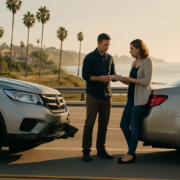
A San Diego accident out of state driver claim usually depends on more than the plate on the vehicle. The important questions often involve the driver’s identity, the registered owner, the applicable policy, the location of the collision, and the available evidence. Jeffrey Estes Injury Lawyers provides practical guidance to people sorting through these issues after a crash.
This article explains how to identify the right insurance contacts, preserve registration and policy information, obtain medical care, evaluate jurisdiction and deadlines, and avoid assumptions based solely on where a vehicle was registered. The information is general and may not address every claim.
How to Identify Insurance in a San Diego Out-of-State Driver Claim
An out-of-state plate does not necessarily identify the insurer responsible for handling a collision. The driver may be using a borrowed vehicle, a rental car, a family member’s vehicle, an employer-owned vehicle, or a vehicle registered in one state but principally used in another. Military personnel, students, and people temporarily working in California may also have policies or registration arrangements that are not obvious at the scene.
Collect the driver, vehicle, and policy information
When reasonably possible, preserve:
- The driver’s full name, contact information, and insurance details
- The vehicle owner’s name and address, if different from the driver
- The license plate, vehicle identification number, make, model, and registration information
- The insurer’s name, policy or claim number, and contact information
- Facts about whether the driver had permission to use the vehicle
These details can help distinguish the individual driver’s coverage from the vehicle owner’s policy. For more information about how the vehicle owner’s insurance may affect liability.
Do not assume that the state shown on a license plate proves where the policy was issued, whether coverage is active, or which insurer will evaluate the claim. A crash report, insurance card, registration record, and later communications may each provide different pieces of the picture.
What Insurance and California Rules May Apply After the Crash?
A collision in San Diego, California may involve California traffic rules and procedures, but the full legal analysis can depend on the collision location, the parties, the insurance contracts, the type of claim, and whether a government vehicle or commercial business is involved. Laws and procedures vary by jurisdiction and may change since publication, so an out-of-state driver’s residence does not resolve the issue by itself.
Coordinate with insurers carefully
The other driver’s insurer may contact you, particularly if the driver returns home quickly. Before discussing the collision in detail, it may be useful to confirm the caller’s name, company, claim number, insured vehicle, and role in the claim. Information about handling a recorded statement after a San Diego crash can help explain why an early statement deserves careful attention.
Also notify your own insurer according to the terms of your policy. Your policy may include medical-payment coverage or uninsured- or underinsured-motorist coverage, depending on the policy language and circumstances. If the other driver’s coverage cannot be confirmed or appears insufficient, information about using uninsured-motorist coverage after an out-of-state crash may be relevant.
A San Diego crash report may provide useful leads about the driver, registered owner, insurer, commercial employer, and circumstances of the collision. Readers can review guidance on requesting and correcting a San Diego crash report. The report may be important evidence, but it does not automatically decide fault or coverage.
What Should You Do if the Visiting Driver Leaves or Disputes Fault?
An out-of-state driver may leave San Diego before an insurance investigation is complete. That does not necessarily prevent a claim, but it can make timely documentation more important. A driver’s departure, unfamiliar insurer, or conflicting account should not lead either side to assume that the claim is resolved.
Consider preserving the following information when available:
- Photos and video of vehicle positions, roadway conditions, traffic controls, visible damage, and the surrounding area
- Names and contact information for witnesses
- Dash-camera or nearby surveillance footage before it is overwritten
- Copies of the crash report, insurance communications, repair records, and related messages
- Notes describing symptoms, medical visits, missed work, and changes in daily activities
If the other driver denies responsibility, additional evidence may become important. Guidance about preserving evidence when the visiting driver denies fault discusses ways to organize photographs, witness information, and communications.
Medical care should not depend on whether an insurer has accepted responsibility. A visitor may minimize symptoms to continue a trip, return to school, report for duty, or travel home. Appropriate medical evaluation and documentation can help establish what happened, even if symptoms appear later. Readers can review information about getting medical care for symptoms that appear later.
The collision’s location, the parties involved, and the nature of the claim may affect filing deadlines and procedural requirements. Do not assume that living outside California pauses the analysis. More information about understanding California deadlines after a San Diego crash can help explain why early legal review may matter.
Commercial travelers require additional investigation. A delivery van, company car, rental vehicle, or platform-based vehicle may involve an employer, vehicle owner, contractor, or separate commercial policy. Preserve the company name, vehicle markings, driver’s work status, delivery information, and owner details when available. For more guidance, see identifying all parties in a commercial delivery-vehicle crash.
Frequently Asked Questions
Does an out-of-state license plate change who is responsible for a San Diego crash?
Not by itself. Responsibility generally depends on the facts of the collision, applicable California rules, insurance contracts, and evidence concerning each person or entity involved. The plate may help identify the vehicle, but it does not establish fault, coverage, or the driver’s legal relationship to the vehicle owner. A careful investigation may be needed when the driver, owner, and insurer are different people or companies.
Can a visitor continue a claim after leaving San Diego?
In many cases, a person can continue communicating with insurers and receiving appropriate care after leaving San Diego. The practical process may involve remote records, local medical providers, vehicle inspections, and communications with a California collision investigator or insurer. The applicable deadlines and procedures depend on the circumstances. A licensed attorney can explain how location, residency, policy terms, and claim type may affect the matter.
What if the out-of-state driver was using a rental or borrowed vehicle?
A rental or borrowed vehicle may create additional insurance questions. Potentially relevant sources can include the driver’s policy, the vehicle owner’s policy, rental-company coverage, and uninsured- or underinsured-motorist coverage, depending on the facts and policy language. Collecting the rental agreement, owner information, insurance details, and permission-to-drive facts may help identify the appropriate claims contacts.
Should I wait to report the crash until the other driver’s insurer responds?
Generally, waiting can create avoidable uncertainty. Insurance policies may contain notice requirements, and evidence can become harder to locate as time passes. Reporting obligations vary by policy and circumstances. A person may consider notifying the appropriate insurers, preserving documents, and seeking advice about communications while avoiding assumptions that an insurer’s investigation will address every potentially responsible party.
How Jeffrey Estes Injury Lawyers Can Help
Jeffrey Estes Injury Lawyers is dedicated to helping people understand the insurance, evidence, and jurisdiction issues that may arise after a San Diego collision involving an out-of-state driver. The firm can evaluate available crash information, help identify potentially relevant parties and policies, and discuss how medical records, reports, witness evidence, and insurer communications may affect the claim.
Whether the other driver is a visitor, student, service member, or commercial traveler, the team is committed to fighting for clients’ rights while explaining the process in clear terms. Contact Jeffrey Estes Injury Lawyers for a free consultation or case evaluation to discuss your situation and legal options.
The information in this article is for educational purposes only and does not constitute legal advice. Contact a qualified attorney licensed in San Diego, California for advice specific to your situation.