When Is a California Boat Owner Liable for a Guest’s Crash?
If a friend, family member, or guest is at the helm when a boating accident happens, the operator’s actions are only part of the picture. People injured on or near the water may also need to find out who owned the vessel, who handed over the controls, and whether the owner played a role in creating or increasing the risk. The question of boat owner liability for another person’s accident in California depends on the facts; ownership alone does not automatically make someone legally responsible. How California borrowed-car accidents separate driver and owner questions offers a useful comparison, although boat-specific rules can differ. Jeffrey Estes Injury Lawyers helps San Diego readers understand what facts may matter. This article explains how an operator’s conduct differs from an owner’s possible negligence, what information may help clarify their roles, and how to approach an injury claim after an incident in San Diego, California.
When Can a Boat Owner Be Liable for Another Person’s Accident in California?
A person operating a vessel may be responsible for their own careless actions. A boat owner, however, is not necessarily liable simply because their name is associated with the vessel. The central question is whether the owner’s own conduct—or a relationship with the operator—may provide a basis for responsibility under the circumstances.
For example, an investigation may examine whether the owner entrusted the boat to someone they knew, or reasonably should have known, was not capable of operating it safely. Relevant circumstances might include the operator’s experience, prior conduct, apparent impairment, and the owner’s knowledge at the time. The facts matter; no single detail automatically establishes liability.
Separate the operator’s conduct from the owner’s role
An operator’s speed, lookout, navigation, or other choices may be relevant to how a collision occurred. Reviewing common causes of boating accidents in California can help explain the operator-conduct side of the inquiry. It does not, by itself, answer whether an owner also contributed to the incident.
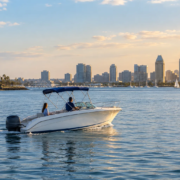
Owner-related questions can include who selected the operator, whether the owner gave permission, and whether the owner supplied instructions or maintained control. Similar questions about driver and owner roles can arise in car crashes, but how California borrowed-car accidents separate driver and owner questions is an analogy—not a statement that the same rules govern boats. In San Diego, California, incidents on San Diego Bay or Mission Bay may involve different vessels and circumstances, so the details of the particular trip can be important.
What Evidence Can Clarify Who Supplied or Controlled the Vessel?
A useful investigation looks beyond the name on a registration document. It tries to establish who had practical control before and during the trip, what the owner knew, and what the operator was authorized to do. A passenger may know who invited the group, who brought the boat, or who made decisions about its use. Those observations can help identify questions for further review, even if they do not prove fault on their own.
Potentially useful information may include:
- The vessel’s registration, ownership, and insurance details.
- Messages or other records about who offered or borrowed the boat and for what purpose.
- Witness accounts about who was driving, who gave directions, and whether the owner was present.
- Available photos, video, trip details, and records of damage or maintenance.
- Information about the operator’s experience and what the owner knew before the trip.
Preserve information in its original form where possible. Avoid assuming that a document or social-media post tells the whole story; context and timing may matter. In San Diego, California, the location—such as a marina, a launch area, or open water—may help establish where to look for witnesses or other records. Depending on the incident, reporting or investigation may involve local law enforcement, harbor authorities, or California boating agencies.
Identifying the owner can also help clarify what insurance may be available, but a policy’s terms and the circumstances of the trip affect coverage. See how fault and insurance can affect payment after a California boating accident for related information. The existence of insurance does not itself establish that the owner or operator is legally responsible.
Permission, Supervision, and Other Owner Conduct to Examine
Permission is one part of the story, not a complete answer. If an owner allowed another person to operate the vessel, the inquiry may consider what the owner knew about that person’s ability and whether any safety-related decisions by the owner contributed to the incident. If someone took the vessel without permission, that may change the analysis, but it does not resolve every question about how the accident happened or who may bear responsibility.
The owner’s presence may also matter. An owner who was aboard might have had some ability to give instructions or intervene, while an absent owner may have made decisions before the trip that deserve attention. Whether an owner had meaningful control, and whether the law recognizes a duty in the circumstances, are fact-specific issues. An owner’s family relationship with the operator, by itself, does not necessarily settle liability.
If the operator may have been impaired, it is important to keep two inquiries distinct: what the operator did and what the owner knew or did beforehand. California boating-under-the-influence rules provide background on the operator-conduct issue. Suspected impairment alone does not establish that the owner is responsible; evidence about permission, knowledge, and the owner’s actions may also need review.
People sometimes focus only on the person steering the boat or assume the registered owner must pay. Either shortcut can overlook relevant facts. A careful account should distinguish what a witness directly observed from what they heard later, and should identify each person who supplied, owned, controlled, or operated the vessel. In San Diego, California, where recreational boating occurs in varied settings, that distinction can help keep an injury claim grounded in the available evidence.
Frequently Asked Questions
Is a registered boat owner automatically liable if someone else causes a crash?
No. Registration identifies an owner, but it does not by itself establish that the owner caused or is legally responsible for an accident. The operator’s conduct, the owner’s decisions, permission, knowledge, and any relevant relationship between them may all matter. The facts and applicable law should be evaluated together, rather than assuming ownership alone decides the issue.
What if the operator borrowed the boat without the owner’s permission?
Lack of permission may be relevant when assessing the owner’s role, but it does not automatically answer every liability or insurance question. The circumstances may include how the operator obtained access, what the owner knew, and whether the owner had taken steps concerning the vessel. Coverage may also depend on policy language. A review of the specific facts can help clarify which questions apply.
Could a boat owner’s insurance cover an accident caused by a guest?
Possibly, but coverage depends on the policy, the type of incident, who was operating the vessel, and other facts. Some policies may contain conditions or exclusions that affect a particular claim. Establishing that insurance exists does not establish fault, and an insurer’s position may require review of the policy and circumstances. Coverage and legal responsibility are related but separate issues.
What information helps identify the owner and operator after a San Diego boating accident?
Useful details may include the vessel’s registration information, the operator’s identity, witness contact information, photos or video, and records showing who arranged or authorized the trip. Note where and when the incident occurred, such as on Mission Bay or San Diego Bay, if known. Preserve original records and distinguish firsthand observations from assumptions; an attorney can assess what may be relevant.
How Jeffrey Estes Injury Lawyers Can Help
When the owner and operator are different people, identifying each person’s role can take careful fact-gathering. Jeffrey Estes Injury Lawyers is dedicated to helping injured people understand the issues that may affect a California boating claim, including who supplied or controlled the vessel, what the operator did, and what insurance information may be relevant. The firm is committed to fighting for injured clients’ rights and can evaluate how the facts may apply to a particular situation. If you were hurt in a boating incident in San Diego, contact Jeffrey Estes Injury Lawyers to request a free consultation or case evaluation.
The information in this article is for educational purposes only and does not constitute legal advice. Contact a qualified attorney authorized to practice in the jurisdiction that applies to your matter for advice specific to your situation.