
Car Accident vs Truck Accident: Key Differences
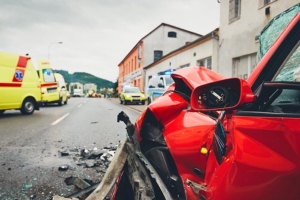
A car accident vs truck accident is not simply a question of vehicle size. The difference can shape the severity of injuries, the evidence available, the number of responsible parties, and the insurance company’s approach from the first day. When a fully loaded commercial truck collides with a passenger vehicle, the people in the smaller vehicle often bear the physical and financial consequences.
For seriously injured Californians and families grieving a loss, understanding those differences can help protect a claim before critical evidence disappears or an insurer pushes for a quick, inadequate settlement.
Why Truck Accidents Often Cause More Serious Harm
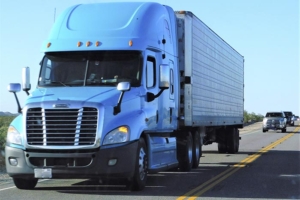
A passenger car may weigh roughly 3,000 to 4,500 pounds. A commercial tractor-trailer can legally weigh up to 80,000 pounds when fully loaded. That disparity matters. A truck’s longer stopping distance, larger blind spots, wider turns, and higher ground clearance can turn a moment of inattention into a catastrophic collision.
Truck crashes are more likely to involve devastating injuries such as traumatic brain injuries, spinal cord damage, multiple fractures, amputations, severe burns, and permanent disability. Underride collisions, where a smaller vehicle slides beneath a trailer, can be especially deadly. Even a collision that appears moderate at the scene may leave an injured person facing surgeries, rehabilitation, lost income, and a life that looks very different than it did before the crash.
This does not mean every car accident is minor. High-speed crashes, intersections collisions, and drunk driving wrecks can also cause life-altering harm. But the forces involved in a commercial truck collision frequently increase both the immediate danger and the long-term value of the damages at stake.
Car Accident vs Truck Accident Claims: Liability Is Different
Many car accident claims involve one negligent driver, although there may be multiple vehicles or other contributing factors. The central questions are often straightforward: Who had the right of way? Was a driver distracted, speeding, intoxicated, or following too closely?
A truck accident may involve the driver, but the driver is rarely the only potential source of responsibility. A careful investigation may identify liability against the trucking company, cargo shipper, maintenance contractor, truck owner, broker, manufacturer, or a government entity responsible for an unsafe roadway.
For example, a truck driver may have been speeding or fatigued. The employer may have encouraged unrealistic delivery schedules, failed to train the driver, hired someone with a poor safety record, or ignored violations of required service-hour rules. A maintenance provider may have failed to inspect brakes or tires. If an improperly secured load shifts and causes a rollover, the party that loaded the cargo may also be accountable.
California follows pure comparative negligence rules. That means an injured person may recover damages even if they were partly at fault, though their recovery can be reduced by their percentage of responsibility. Trucking insurers often use this rule aggressively, looking for statements or evidence they can use to shift blame onto the injured driver. That is one reason a prompt, evidence-based investigation matters.
Evidence Can Disappear Quickly After a Truck Crash
After a typical passenger vehicle crash, useful evidence may include photographs, witness statements, police reports, vehicle damage, medical records, and phone data. Those materials are important, but a commercial truck crash can produce an entirely different layer of evidence.
The truck may have an electronic logging device that records driving hours. It may also have engine-control-module data, dash camera footage, onboard communications, GPS information, inspection reports, maintenance logs, cargo records, driver qualification files, drug and alcohol testing records, and dispatch communications. These records can show whether the truck was speeding, braking, operating beyond legal driving limits, or being pushed to meet an unreasonable deadline.
Some records are preserved only for limited periods. The truck may be repaired, returned to service, or sold. Video may be overwritten. A trucking company and its insurer may begin their own investigation immediately, often with representatives working to limit the company’s exposure.
An injured person does not need to solve the case from a hospital bed. But they should be cautious about recorded statements, broad medical releases, and early settlement offers. A lawyer can send preservation demands, examine the vehicle and scene when appropriate, and pursue the records needed to tell the full story.
Insurance Coverage Is Usually More Complicated
A standard car accident claim may involve the at-fault driver’s liability coverage, the injured person’s uninsured or underinsured motorist coverage, and possibly other policies. Policy limits can be a major practical issue, particularly when injuries are severe.
Truck accidents may involve larger commercial policies, layered coverage, excess insurers, or separate policies held by the motor carrier, trailer owner, cargo company, and other entities. More available coverage does not automatically mean a faster or easier recovery. Commercial insurers have substantial resources and experienced defense teams. They may dispute fault, challenge the medical connection between the crash and the injury, or argue that future care and lost earnings are overstated.
The claim’s value depends on the facts, not on a headline policy limit. Relevant losses may include past and future medical treatment, lost wages, reduced earning capacity, property damage, pain and suffering, loss of enjoyment of life, and, in fatal cases, wrongful death damages available to eligible family members. In cases involving particularly dangerous conduct, punitive damages may also be considered, though they are not available in every claim.
The Truck Driver’s Employment Status Matters, but It Is Not the End of the Analysis
Trucking companies sometimes characterize drivers as independent contractors and suggest that the company is not responsible for a crash. That label does not end the inquiry. The actual working relationship, the company’s control over operations, federal and state safety requirements, and the company’s own negligence can all be relevant.
A carrier may be liable for its own failures even if the driver is not technically an employee. Examples include negligent hiring, inadequate supervision, unsafe dispatch practices, or allowing a poorly maintained truck to remain in service. Determining who controlled the operation requires more than accepting the insurer’s initial explanation.
What to Do After a Car or Truck Accident
Your health comes first. Seek emergency care or prompt medical evaluation, follow treatment recommendations, and report new symptoms. Adrenaline can mask serious injuries in the hours after a collision.
If you are able, preserve what you can: photographs of the scene and vehicles, contact information for witnesses, the police report number, and copies of medical paperwork. Avoid posting details about the crash or your injuries on social media. Do not repair or dispose of your vehicle before it has been appropriately documented if the damage may be important evidence.
For a truck collision, write down identifying details such as the carrier name, USDOT number, truck and trailer numbers, license plates, and any visible company markings. These details can help identify the correct business entities and insurance coverage.
California deadlines can be unforgiving. In many personal injury cases, a lawsuit must generally be filed within two years, but shorter notice requirements may apply when a public entity is involved. Waiting until a deadline is close can make it harder to locate witnesses and preserve evidence.
A Serious Claim Requires Serious Preparation
The fundamental goal in both types of cases is accountability for harm caused by negligence. The path to that result, however, can be much more demanding after a commercial truck crash. The investigation may be broader, the injuries more severe, and the defense more organized.
At Jeffrey Estes Injury Lawyers, injured clients work directly with attorneys who prepare serious cases for negotiation and trial. That trial-ready approach matters when an insurer refuses to recognize the real cost of a devastating injury.
After any serious collision, do not let the size of the other vehicle, the confidence of an insurance adjuster, or an early offer dictate your next step. Get clear advice, protect the evidence, and give your recovery the attention it deserves.