
Who Is Liable in a California Borrowed-Car Accident?
A crash in a borrowed car can leave people wondering whether responsibility belongs to the driver, the vehicle owner, or an insurer. In California, borrowed car accident liability may depend on what the driver did, whether the owner gave permission, and the wording of the policies involved. For a closer look at whether a vehicle owner may be liable when someone else crashes the car, it helps to keep ownership and insurance coverage questions separate.
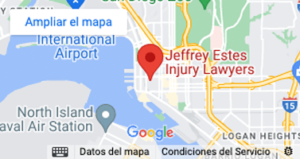
In San Diego, California, these distinctions can matter whether the collision happened on a neighborhood street or a busy freeway. Jeffrey Estes Injury Lawyers helps readers understand the questions that may shape an injury claim without assuming that one person or policy is automatically responsible. This article explains the roles of the driver, owner, and insurers; why permission matters; which policies may need to be identified; and what information can help clarify the circumstances.
How borrowed car accident liability works in California
A borrowed-car crash does not automatically make the owner and driver equally responsible. The driver’s conduct is one question: did the driver act negligently and cause the collision? A separate question is whether California law or the circumstances of the loan could make the owner responsible as well. Insurance coverage is another issue. A policy may cover a permitted driver, but the specific contract terms and facts matter.
California law can impose limited responsibility on a vehicle owner for harm caused by someone driving with the owner’s permission. That does not mean ownership alone decides every claim, or that the owner is automatically responsible for every loss. The scope of permission, the driver’s conduct, and any applicable legal limits or exceptions may all matter. Rules can differ outside California and may change, so a claim should be considered under the law and policy language that apply to its facts.
What permission may mean
Permission can be express, such as a direct agreement to use the car, or potentially implied from the circumstances. The details matter: was the driver allowed to use the vehicle at that time, for that purpose, and in the way it was used? A dispute about permission can affect both potential owner responsibility and insurance coverage. A driver who took a car without permission raises different questions from a driver who borrowed it with the owner’s consent.
The driver and owner have different roles
The driver may be responsible for negligent driving, while the owner’s potential exposure may depend on permission or other facts, such as whether the owner negligently entrusted the car to an unsafe driver. The law does not treat every loan of a vehicle the same way. For more on whether a vehicle owner may be liable when someone else crashes the car, consider how ownership, permission, and the driver’s actions can raise distinct questions.
Which insurance policies may apply to a borrowed-car crash?
Insurance is not always as simple as “the car’s policy pays” or “the driver’s policy pays.” The vehicle owner’s auto policy may provide coverage for a driver using the car with permission, subject to its terms, exclusions, and limits. The driver may also have a separate policy, which could provide coverage depending on the policy language and how other coverage applies. Insurers may need to review both policies before the available coverage is clear.
Relevant policy details can include who is insured, whether the driver had permission, any excluded-driver provisions, and the limits of coverage. A vehicle used for business, a car owned by an employer, or a policy with special restrictions can raise additional issues. Coverage questions are separate from deciding who caused the crash: an insurer’s position on coverage does not, by itself, establish fault.
If the responsible driver has no insurance or insufficient coverage, an injured person’s own policy may be relevant. Depending on its terms and the circumstances, uninsured or underinsured motorist coverage may be worth identifying. See more about potential uninsured motorist coverage after a car crash. The policies that could apply depend on the people involved, vehicle use, and contract language; it is not safe to assume a particular policy will pay first.
In San Diego, California, the fact that a collision occurred locally does not change the need to review the actual policies. If a dispute proceeds to a civil case, the appropriate court and process depend on the claim and circumstances. A collision report prepared by the San Diego Police Department or California Highway Patrol, depending on where the crash occurred and which agency responded, may record information about the incident, but it does not by itself resolve every question of fault or coverage.
What information can clarify a borrowed-car claim?
When a crash involves a borrowed vehicle, basic details can help distinguish what happened from what people assume happened. When safe and practical, useful information may include:
- The names and contact details of the driver, registered owner, passengers, and witnesses.
- The vehicle’s make, model, registration details, and the identity of the insurer shown on available insurance information.
- What the owner and driver agreed about using the car, including the timing and purpose of the loan.
- Photos of the vehicles, the scene, and visible damage, along with the date, time, and location.
- Any responding agency’s report information and the contact details of witnesses.
A person’s account of permission may be supported or challenged by messages, call records, or other communications. Insurance declarations and policy documents can help identify the relevant insurer and coverage terms. Keep in mind that a police report is one source of information, not a final decision about civil liability. For practical guidance on what information to collect at the crash scene, consider which details may help identify the people, vehicles, and insurers involved.
It can also help to keep separate records for the crash facts and the insurance questions. For example, note who had the keys and who was driving, while separately recording which policies have been identified and what each insurer has said. Avoid treating a driver’s relationship to the owner as proof of permission or coverage; the actual agreement and policy terms are more useful. In a San Diego claim, clear records may help the parties and insurers evaluate these questions without conflating the driver’s conduct with the owner’s role.
Frequently Asked Questions
Does the borrowed car’s insurance always pay first?
No single rule guarantees that the vehicle owner’s policy will pay first in every borrowed-car crash. That policy may cover a permitted driver, but the policy language, exclusions, other available coverage, and facts about permission can affect the outcome. The driver’s own policy may also be relevant. Identifying the policies and reviewing their terms can help clarify which insurer may respond.
Can I use my own insurance after a crash in someone else’s car?
Possibly. Your own policy may include coverage that could apply, such as medical payments or uninsured or underinsured motorist coverage, depending on the policy and circumstances. Whether a particular benefit is available can depend on who was insured, where the person was riding, and the nature of the claim. Reviewing the policy is more reliable than assuming it does or does not apply.
What if the driver took the car without permission?
A lack of permission may affect the vehicle owner’s potential responsibility and whether the owner’s policy covers the driver. The circumstances matter, including whether permission was limited or later withdrawn. Insurers may ask about the agreement and the driver’s use of the vehicle. Unauthorized use does not automatically resolve every question about fault, coverage, or other potentially applicable policies.
What if the vehicle owner and driver give different accounts?
Different accounts may make evidence about the loan and the crash especially relevant. Messages, witness observations, vehicle access, and the timing and purpose of the trip may help clarify whether permission was given and what happened. Insurers may investigate those facts. A disagreement does not itself establish that either person is responsible, and the available evidence and applicable law will matter.
How Jeffrey Estes Injury Lawyers Can Help
Jeffrey Estes Injury Lawyers is dedicated to helping people understand how driver conduct, vehicle ownership, permission, and insurance terms can shape a California crash claim. The firm can evaluate the available information, help identify questions about potentially applicable policies, and explain options based on the circumstances. No two crashes are identical, and an evaluation does not guarantee a particular result.
If you were injured in a borrowed-car collision in San Diego, California, contact Jeffrey Estes Injury Lawyers to discuss your situation and request a free consultation or case evaluation. The team is committed to fighting for your rights and is ready to evaluate the facts relevant to your claim.
The information in this article is for educational purposes only and does not constitute legal advice. Contact a qualified attorney authorized to practice in the jurisdiction that applies to your matter for advice specific to your situation.







Leave a Reply
Want to join the discussion?Feel free to contribute!