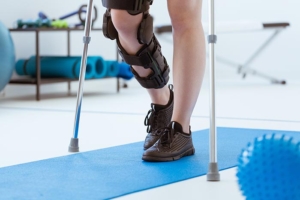

How Documenting Injuries After a Collision Helps
The pain from a crash is not always obvious at the scene. Adrenaline can mask a concussion, neck injury, back injury, or internal trauma for hours or days. That is why documenting injuries after a collision should begin as soon as your immediate medical needs are addressed. A clear, honest record can protect your health and provide critical evidence if an insurance company later questions the seriousness of your injuries.
For people facing substantial medical treatment, time away from work, or a permanent change in their abilities, documentation is not mere paperwork. It shows the human and financial cost of another party’s negligence.
Put Medical Care Before Evidence
Call 911 after a serious collision and accept emergency evaluation when first responders recommend it. Tell paramedics about every symptom, even if it seems minor: headache, dizziness, confusion, numbness, weakness, chest pain, abdominal pain, ringing in the ears, or difficulty moving a joint.
If you are not taken from the scene by ambulance, seek prompt medical care. An urgent care center, emergency room, primary care physician, or specialist may be appropriate depending on your symptoms. Do not wait simply because you hope the pain will go away. Delays can put your health at risk and give an insurer an opening to argue that your condition was unrelated to the crash.
Be precise with your providers. Explain where you were sitting or standing, how the impact occurred, whether you hit your head, whether you lost consciousness, and when symptoms began. Do not minimize pain to appear tough, but do not exaggerate it either. Consistent, truthful reporting is far more persuasive than dramatic descriptions that do not match the medical evidence.
Follow the Treatment Plan
Medical records become more useful when they show a continuous course of care. Attend appointments, complete prescribed therapy when you can, fill medications as directed, and follow up if symptoms worsen or new symptoms appear.
There are real-life exceptions. Treatment may be difficult to afford, work schedules may interfere, and some therapies may not help. If you cannot follow a recommendation, tell the provider why and ask about alternatives. A record showing that you raised a financial, transportation, or medical concern is better than an unexplained gap in care.
Keep the Records That Show the Full Impact
A hospital chart alone rarely tells the entire story. Serious injuries affect daily function, earning capacity, family responsibilities, and future medical needs. Preserve documents that demonstrate each part of the loss.
Keep copies of diagnostic imaging, test results, discharge instructions, physician notes, prescriptions, therapy records, medical bills, and health insurance explanations of benefits. Save receipts for co-pays, medications, braces, mobility devices, travel to appointments, and household help made necessary by your injuries.
Employment records matter as well. Retain pay stubs, tax records if you are self-employed, attendance records, disability forms, and written work restrictions. If you miss promotions, overtime, client work, or business opportunities because of the collision, keep material that supports those losses. A claim for lost income is stronger when it is tied to reliable documentation rather than a rough estimate made months later.
If a family member provides care, keep a simple record of the assistance required. Notes about help with bathing, driving, cooking, childcare, medication reminders, or mobility can illustrate losses that a billing statement will never capture.
Take Photos Early and Continue Taking Them
Photographs can preserve details that fade quickly. If you can safely do so, photograph visible injuries at the scene and throughout recovery. Bruising, swelling, lacerations, surgical incisions, casts, assistive devices, and skin discoloration may look very different within days.
Use your phone’s original photo settings and avoid filters or edits. Take pictures in good light, from more than one angle, and at regular intervals. Include a date when possible. Photos should accurately show the condition, not attempt to make it look worse.
Also preserve images of the vehicles, roadway, debris, traffic controls, damaged bicycle or motorcycle gear, and the clothing or shoes you wore. Property damage does not measure an injury by itself, but it can help experts and attorneys understand the mechanics of the collision.
Write a Recovery Journal You Can Rely On
A brief journal can be one of the most practical tools for documenting injuries after a collision. The goal is not to write a legal argument. It is to create a contemporaneous account of what you experienced, what changed, and what care you received.
Write entries regularly, especially during the first weeks and after major medical appointments. Note pain levels and locations, sleep problems, headaches, medication side effects, missed work, canceled plans, and activities you could not perform. Describe specific examples: needing help getting dressed, being unable to lift a child, leaving a grocery store because of dizziness, or missing a family event due to pain.
Specificity matters. “My back hurt all week” is less useful than “On Tuesday, I could sit at my desk for 20 minutes before low-back pain forced me to stand. I left work early and used ice and prescribed medication.” Short, factual entries are enough.
A journal can also help you communicate more effectively with your medical providers. Symptoms such as cognitive changes, intermittent numbness, panic while driving, and disrupted sleep are easy to forget in a brief appointment unless you have written them down.
Be Careful With Insurance Communications and Social Media
The other driver’s insurer may contact you quickly and ask for a recorded statement, medical authorization, or early settlement. You may be entitled to compensation, but the insurer’s objective is to resolve the claim for as little as possible. A recorded statement made while you are in pain, medicated, or still learning the extent of your injuries can be used against you later.
You can provide basic identifying information and report the claim, but be cautious about guessing how you feel, accepting fault, or agreeing that you are “fine.” Do not sign broad medical releases without understanding what records they permit the insurer to obtain.
Social media deserves the same caution. A smiling photo at a birthday party or a short video from a family outing can be taken out of context. That does not mean an injured person must stay home or avoid living their life. It means public posts should not contradict your reported limitations or give an insurer incomplete material to mischaracterize.
Preserve Evidence Beyond Your Injuries
In a serious crash, the evidence that proves liability can disappear as quickly as visible bruising. Save the police report number, names and contact information for witnesses, insurance details, and photographs from the scene. Request that your vehicle not be repaired or destroyed until it has been appropriately evaluated if the collision involved major damage, a defective component, a commercial truck, a construction vehicle, or another complex issue.
Commercial defendants may possess driver logs, onboard data, maintenance records, camera footage, and dispatch information. Nearby businesses or residences may have surveillance video that is automatically overwritten. Prompt legal action can be necessary to identify and preserve this evidence.
This is particularly true when a collision involves a truck, bus, rideshare vehicle, motorcycle, pedestrian, or government entity. Different insurance arrangements, reporting requirements, and deadlines may apply. In California, waiting too long can jeopardize evidence and, in some circumstances, the right to pursue a claim.
Know When to Get Legal Guidance
You do not need a lawyer for every minor property-damage claim. But direct legal guidance is often warranted when injuries are serious, symptoms persist, fault is disputed, multiple vehicles are involved, a commercial entity is responsible, or an insurer pushes for a quick settlement.
A trial-ready injury attorney can evaluate the documentation, identify missing evidence, calculate past and future losses, and deal with insurance companies while you focus on medical recovery. At Jeffrey Estes Injury Lawyers, injured clients work directly with attorneys who prepare serious cases for the possibility of trial, not just a quick payout.
Your records do not have to be perfect to deserve attention. Start with medical care, preserve what you have, and keep a straightforward account of how the collision has changed your life. The sooner that record begins, the more clearly it can speak for you when it matters.