Wrongful Death Verdict Examples and What They Show
A jury verdict cannot restore the person your family lost. It can, however, force a negligent driver, company, property owner, or other responsible party to answer for the harm caused. Reviewing wrongful death verdict examples can help families understand why some cases result in substantial awards while others do not, and why early case preparation matters.
A verdict is not a price tag on a life. In California, it is a legal determination based on evidence: who was negligent, whether that negligence caused the death, and how the loss has changed the lives of surviving family members. Every case turns on its own facts, and no prior result guarantees what another family may recover.
What Wrongful Death Verdicts Are Meant to Address
A wrongful death lawsuit is generally brought by close surviving relatives when someone dies because of another party’s wrongful act or negligence. Common cases arise from fatal car and truck collisions, dangerous construction conditions, defective products, unsafe premises, aviation incidents, and failures by businesses or professionals to follow basic safety rules.
California wrongful death damages focus primarily on the losses suffered by survivors. A jury may consider the loss of the decedent’s love, companionship, comfort, care, assistance, protection, affection, society, and moral support. If the person who died contributed income, household services, or other financial support, those economic losses may also be part of the claim.
A related survival action may seek certain damages belonging to the person who died, such as medical expenses, lost earnings before death, property damage, and, in appropriate cases, damages connected to the decedent’s pain and suffering. The exact claims available depend on the circumstances and the parties entitled to bring them.
Wrongful Death Verdict Examples in Common Cases
The following examples are illustrative. They reflect the kinds of facts and damages that often drive wrongful death litigation, not promises of a particular outcome.
Fatal Commercial Truck Collision
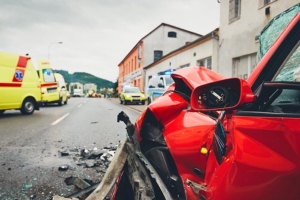
A commercial truck crosses into another lane after its driver speeds through heavy traffic while fatigued. A parent driving home from work is killed, leaving a spouse and two young children. The evidence may include electronic logging data, dispatch records, dash camera footage, driver training records, and expert analysis of the collision.
A strong verdict in this type of case may reflect more than the driver’s momentary error. If the trucking company ignored hours-of-service concerns, pressured drivers to meet unrealistic deadlines, failed to maintain the vehicle, or retained an unsafe driver, the company’s conduct can become central to the case. The family’s economic losses, the children’s loss of guidance and care, and the spouse’s loss of companionship may all be presented to the jury.
The trade-off is that commercial cases are aggressively defended. Trucking companies and insurers often send investigators to a crash scene immediately. Preserving evidence quickly can make a meaningful difference.
Drunk Driving Death at an Intersection
A driver with a high blood alcohol level runs a red light and kills a pedestrian in a marked crosswalk. Liability against the driver may appear clear, but the available recovery can still depend on insurance coverage, the driver’s assets, and whether another party bears legal responsibility.
For example, the case may require investigation into whether a bar, employer, vehicle owner, or public entity played a role. California law places limits on dram shop liability, meaning a business that served alcohol is not automatically responsible for an adult customer’s later driving. Yet different facts, such as serving an obviously intoxicated minor, can change the legal analysis.
These cases show why a clear act of wrongdoing does not always make a claim simple. The legal team must identify every viable source of recovery while building a compelling record of the family’s loss.
Construction Site or Workplace Fatality
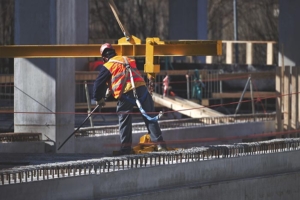
A worker is killed when a construction vehicle backs into an active work area without adequate spotters, alarms, barriers, or communication procedures. Workers’ compensation benefits may be available through the employer, but they may not be the family’s only remedy.
A wrongful death case may exist against a general contractor, subcontractor, equipment manufacturer, property owner, or another third party whose negligence contributed to the fatal incident. Verdict value can be influenced by safety manuals, site logs, prior incident reports, equipment inspection records, eyewitness testimony, and industry-standard evidence.
Workplace deaths often involve layered responsibility. Defendants may argue that the worker caused the incident or that another company controlled the dangerous operation. Trial-ready preparation requires sorting out who had control, who knew of the danger, and what safety measures should have been in place.
Dangerous Property or Negligent Security Death
A tenant, customer, or guest is killed after a foreseeable violent incident at an apartment complex, hotel, parking structure, or business. The claim may allege that the property owner or operator failed to address known security risks through adequate lighting, functioning locks, trained security personnel, surveillance, or reasonable response to prior criminal activity.
These verdicts frequently turn on foreseeability. A property owner is not automatically liable for every crime committed by another person. But evidence of prior similar incidents, repeated tenant complaints, inadequate security policies, or violations of safety procedures can establish that the risk was known or should have been known.
The defense may contend that the crime was unpredictable or that additional security would not have prevented it. A successful case needs evidence that connects the security failure to the fatal outcome, not simply proof that the property was imperfectly maintained.
Why Verdict Amounts Can Differ So Widely
Two families can suffer equally devastating losses and still face very different case values. Insurance limits, the defendant’s financial resources, the strength of liability evidence, the decedent’s age and health, earning history, dependents, and the quality of proof regarding family relationships can all affect a verdict.
Comparative fault can also matter. California follows a pure comparative negligence system. If a jury finds that the person who died was partially responsible for an accident, the damages award may be reduced by that percentage. Defendants often raise this argument in vehicle, premises, and workplace cases, even when their own conduct caused the primary danger.
The venue and the jury also matter. A case tried in San Diego may be viewed through the evidence presented in that courtroom, by those jurors, under the instructions given by that judge. Lawyers should never treat a verdict from another county, state, or fact pattern as a reliable predictor of a family’s recovery.
What Makes a Wrongful Death Case Trial-Ready
Insurance companies evaluate risk. They look for missing evidence, unresolved questions about fault, gaps in medical or employment records, and whether the family’s attorney is prepared to take the case through trial. A careful investigation should begin before memories fade and critical records disappear.
That may include securing vehicles or equipment for inspection, obtaining video footage, interviewing witnesses, reviewing phone and electronic data, retaining accident reconstruction experts, and documenting the decedent’s role in the family. Financial evidence matters, but so do the everyday details that show a jury what was lost: school pickups, caregiving, holidays, advice, routines, and support that will not return.
Families should also be cautious when an insurer makes an early offer. Early payments can be tempting when bills and uncertainty are mounting, but an offer made before the full evidence is known may not account for all responsible parties or the full scope of the loss. Whether settlement is appropriate depends on the facts, the available coverage, and the strength of the case.
A wrongful death claim demands both compassion and disciplined litigation. Jeffrey Estes Injury Lawyers helps families pursue accountability with direct attorney involvement and serious trial preparation. If negligence took someone from your family, a prompt legal review can protect evidence and give you clearer answers about the path ahead.