Can Passengers Sue After a Crash?
A passenger usually has less control over a collision than anyone else in the vehicle, yet passengers often end up with the same medical bills, missed work, and lasting pain as the drivers involved. If you are asking can passengers sue after crash injuries, the short answer is yes. In many cases, an injured passenger has the right to bring a claim against the at-fault party and, sometimes, against more than one party.
That said, the legal answer is rarely as simple as pointing to one driver and filing one claim. Liability can be shared. Insurance companies may dispute who caused the wreck. And when the driver is a friend, family member, rideshare operator, or commercial carrier, the practical questions become more complicated very quickly.
Can Passengers Sue After Crash Injuries in California?
In California, injured passengers generally have the same basic right to seek compensation as any other injury victim. If someone else acted negligently and that negligence caused the crash, the passenger can pursue damages for medical expenses, lost income, pain and suffering, and other losses tied to the injury.
Passengers are often in a strong legal position because they usually did not contribute to causing the collision. A driver may be accused of speeding, following too closely, driving distracted, or making an unsafe lane change. A passenger, by contrast, is usually not making driving decisions. That can make it harder for insurers to shift blame onto the injured person.
But strong legal position does not mean easy recovery. Insurance carriers still look for ways to minimize claims. They may argue the injuries are not serious, that treatment was excessive, or that a preexisting condition is responsible for ongoing symptoms. In serious cases, the difference between a quick settlement and a fully developed claim can be substantial.
Who Can a Passenger Sue After a Crash?
An injured passenger may have a claim against the driver of the vehicle they were riding in, the driver of another vehicle, or both. The answer depends on how the crash happened.
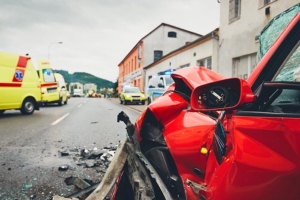
If the host driver ran a red light and caused the collision, the passenger may bring a claim against that driver’s insurance. If another motorist crossed the center line and struck the car, the claim may be against that outside driver. In a multi-vehicle crash, there may be several defendants, each with a share of fault.
This matters because California follows comparative fault principles. More than one party can be legally responsible for the same injury. For a passenger, that can be an advantage. Instead of relying on one limited insurance policy, the claim may involve multiple sources of coverage.
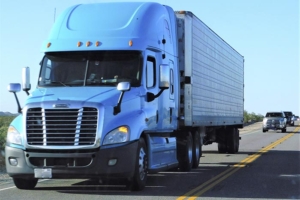
There are also cases where liability goes beyond the drivers. If a commercial truck was involved, the trucking company may be responsible. If a rideshare driver was on the app and transporting a rider, company insurance issues may come into play. If a dangerous road condition, defective vehicle component, or negligent maintenance contributed to the crash, additional claims may exist. These are not routine cases, but they are important because serious injuries often require looking past the most obvious defendant.
What if the Driver Is a Friend or Relative?
This is where many injured passengers hesitate. They do not want to sue someone they know. They worry about creating financial hardship or damaging a personal relationship.
In reality, most injury claims are pursued against insurance coverage, not against a friend’s personal bank account. That does not mean every case is emotionally easy. It does mean the issue is usually less personal than it sounds. If someone’s negligence caused a serious injury, the insurance policy exists for exactly this type of loss.
There is also a practical point many families miss at first. If the passenger does not pursue a claim, the medical bills, lost wages, and future treatment costs do not disappear. They often fall directly on the injured person and their household. When injuries are significant, that can be financially devastating.
A careful lawyer can often handle these claims in a way that is direct, professional, and focused on the insurer’s responsibility rather than personal conflict.
What Compensation Can Passengers Recover?
A passenger claim can include both economic and non-economic damages. The exact value depends on the injury, the treatment required, the impact on work, and whether the harm is expected to be temporary or permanent.
Economic damages usually include medical expenses, future medical care, lost earnings, and loss of earning capacity. In severe injury cases, rehabilitation costs, assistive devices, home modifications, and long-term care may also be part of the case.
Non-economic damages cover the human impact of the injury. That may include physical pain, emotional distress, loss of enjoyment of life, physical impairment, and the disruption of normal daily activities. These damages are often disputed by insurers because they do not come with a fixed invoice, but they are a central part of a serious injury claim.
If a passenger dies in the crash, certain surviving family members may have a wrongful death claim. Those cases involve a different measure of damages and require careful legal handling from the start.
Common Problems Insurance Companies Raise
Insurance companies do not pay claims based on sympathy. They pay based on exposure, evidence, and leverage. That is why passenger cases that seem obvious can still become contested.
One common tactic is to dispute causation. The insurer may admit the crash happened but argue that the injury was minor or unrelated. This comes up often with spinal injuries, head trauma, soft tissue injuries that do not heal quickly, and conditions that worsen over time.
Another issue is policy limits. If multiple people were hurt in the same collision, several claimants may be competing for the same insurance coverage. A passenger with serious injuries may need to move quickly to protect their position before available limits are exhausted.
Uninsured and underinsured motorist coverage can also become important. If the at-fault driver has little or no insurance, a passenger may be able to pursue additional coverage under the policy covering the vehicle they occupied, or under another applicable policy. Whether that option exists depends on the policy language and the facts.
What Helps a Passenger Injury Claim?
The strongest claims are built early. Medical records matter, but so does the story those records tell. Delays in treatment, gaps in care, and vague documentation can all be used against an injured passenger later.
Photographs of the scene, witness information, vehicle damage, police reports, and any available video footage can also make a major difference. In more serious cases, black box data, crash reconstruction, and analysis of vehicle dynamics may be necessary to prove exactly what happened and why the injuries are as severe as they are.
This is one reason trial-ready preparation matters. When insurers see a law firm building the case as if it may go before a jury, the value discussion changes. Jeffrey Estes Injury Lawyers approaches serious injury claims with that level of preparation because insurance companies take evidence seriously when they know the lawyer on the other side is prepared to use it.
Can Passengers Sue After a Crash if They Were Not Wearing a Seat Belt?
Sometimes, yes. Not wearing a seat belt does not automatically bar a passenger from bringing a claim. But it can affect the value of the case if the defense can show that the lack of a seat belt made the injuries worse.
This becomes a medical and factual issue, not just a legal one. The defense may argue that some injuries would have been avoided or reduced with proper restraint. The passenger, in turn, may present evidence that the crash would have caused substantial injury regardless, or that the claimed seat belt defense does not fit the actual mechanics of the collision.
It is a good example of why these cases are rarely one-size-fits-all. The broad rule may sound simple, but the outcome often depends on detailed evidence.
When Should an Injured Passenger Talk to a Lawyer?
As soon as the injuries appear serious, fault is disputed, or multiple insurance policies may be involved, legal guidance becomes important. Early representation can help preserve evidence, manage insurer communications, and prevent an injured person from being pushed into a low settlement before the full medical picture is clear.
That is especially true in catastrophic injury cases, wrongful death claims, rideshare collisions, trucking crashes, and any wreck involving disputed liability. The stakes are simply too high to treat those claims like routine paperwork.
A passenger should not assume the claim will take care of itself just because they were not driving. The law may be on their side, but results still depend on how the case is investigated, documented, and presented.
If you were hurt as a passenger, the most important next step is not guessing what the insurance company will do. It is getting clear advice about who is legally responsible, what coverage is available, and what your case may actually be worth before you make decisions that cannot be undone.