Which Actions Support a San Diego Hit-and-Run Case?
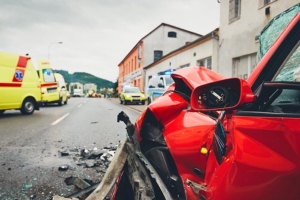
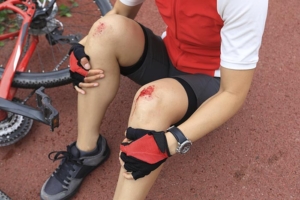
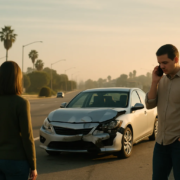
A driver leaves after striking your vehicle, bicycle, or body. You may be shaken, hurt, and unsure whether anyone can identify the vehicle. If you are asking what to do after a hit-and-run in California, the first priorities are safety, medical care, prompt reporting, and preserving information before it disappears. Those steps can also help protect a San Diego hit-and-run accident claim.
A missing driver does not automatically mean there is no possible source of compensation. Your own policy, a vehicle owner, witnesses, nearby cameras, and other evidence may matter. San Diego accident attorneys for a hit-and-run injury claim may be able to help evaluate those issues without assuming that a claim will have a particular result. Jeffrey Estes Injury Lawyers can serve as a knowledgeable resource while you organize the facts.
This guide explains what to do immediately, how to develop evidence, why medical documentation matters, and how to approach insurance communications in San Diego, California.
What Should You Do First After a San Diego Hit-and-Run Accident?
1. Get safe and request emergency assistance
If anyone may be seriously injured or the roadway remains dangerous, call 911. Move to a safer location when possible without creating additional risk. Emergency responders can address immediate hazards and create an initial record of what occurred.
Do not follow a fleeing vehicle or put yourself in danger trying to obtain a license plate. Instead, record what you can safely remember: the vehicle’s make, model, color, body style, direction of travel, partial plate, visible damage, and any distinctive features. Note the time, location, lane, traffic signal, weather, and road conditions.
2. Report the collision and preserve the initial record
A police report may contain witness information, the reported vehicle description, scene observations, and references to available video. Give officers a factual account and distinguish what you personally saw from what someone else told you. In San Diego, the appropriate reporting agency may depend on whether the collision occurred on a city street, in an unincorporated area, or on another jurisdiction’s roadway.
For practical information about requesting, reviewing, or addressing an accident report, see the San Diego crash report process after a hit-and-run. Keep the report number and related correspondence in one place. If the report contains an error, an attorney can explain possible ways to address it; do not assume an inaccurate report automatically decides civil liability.
How Can You Find Hit-and-Run Driver Evidence in San Diego?
A hit-and-run investigation can depend on details that are easy to overlook. Once immediate safety and medical needs are addressed, write down everything while your memory is fresh. Photograph vehicle damage, debris, skid marks, nearby landmarks, roadway layout, and visible injuries when appropriate. Preserve original photos and videos rather than relying only on edited or compressed copies.
Develop witnesses and nearby camera sources
Ask witnesses for their names and preferred contact information. Do not pressure anyone to characterize fault. A useful witness may be someone who saw the impact, observed the fleeing vehicle, noticed a partial plate, or saw the roadway conditions before the collision.
Look for businesses, residences, parking facilities, transit locations, and traffic-control equipment near the scene. Record the exact address or intersection and the approximate time window. Some systems may overwrite footage or limit access, so a prompt preservation request can be important. Additional guidance about nearby San Diego collision witness footage explains why identifying potential custodians early may matter.
Do not trespass, take private recordings without permission, or confront a person you believe may have been involved. An attorney or investigator may be able to help make appropriate evidence requests and assess whether a recording can be used.
Keep a structured evidence file
Create a simple timeline containing the collision time, emergency calls, police contact, medical visits, insurer communications, and any follow-up with witnesses or businesses. Save texts, emails, photographs, repair estimates, towing records, and notes about conversations. This organization can help a lawyer or insurer understand the sequence without requiring you to rely on memory alone.
How Do Medical Care and Insurance Affect a San Diego Hit-and-Run Claim?
Finding the driver is important, but your health and insurance position also require prompt attention. Seek medical evaluation when appropriate and accurately describe what happened and what you are experiencing. Some symptoms may not be obvious immediately. Information about delayed car accident injuries in San Diego may help explain why consistent documentation matters, but it is not a substitute for medical advice.
Keep appointment records, bills, explanation-of-benefits forms, prescriptions, travel expenses, work-loss documentation, and written treatment instructions. For general information about who pays medical bills after an accident claim, remember that payment questions can involve health insurance, medical liens, personal injury protection where applicable, and other arrangements. Do not assume that an insurer’s payment of a bill resolves the broader claim.
Notify your insurer promptly
Review your automobile policy for uninsured-motorist or underinsured-motorist provisions and any notice requirements. A driver who cannot be identified may be treated differently from a known at-fault driver under policy language and California insurance rules. Coverage depends on the policy, the facts, and applicable law. San Diego uninsured-driver insurance options can provide additional background.
Notify your insurer about the collision within the time required by the policy, while keeping your description accurate and limited to facts you know. Reporting the loss is not the same as accepting a settlement or agreeing with an insurer’s position.
Be careful with recorded statements and deadlines
An adjuster may ask for a recorded statement or request an authorization. You should communicate truthfully, but avoid guessing about speed, distance, fault, or the extent of an injury when you do not know. Before giving a recorded statement after a San Diego crash, an attorney may explain what the request could mean and how to avoid unintentionally misstating uncertain details.
A hit-and-run investigation may take time, but identifying a driver later does not necessarily pause every filing deadline. Different rules may apply to a civil claim, an uninsured-motorist claim, or a claim involving a public entity. Review the San Diego car accident claim deadline promptly. California law and insurance requirements can change, and the correct analysis depends on the circumstances.
Common mistakes include:
- Waiting to report the collision because the vehicle or driver may be found later.
- Throwing away damaged property or deleting original photos and messages.
- Posting speculation about the crash or injuries on social media.
- Assuming an unknown driver means uninsured-motorist coverage automatically applies.
- Accepting a release or settlement before understanding medical expenses and available coverage.
Frequently Asked Questions
Can I pursue a San Diego hit-and-run accident claim if the driver is never found?
Possibly. Depending on the facts and policy language, an injured person may have a claim under uninsured-motorist coverage or another applicable policy even when the driver remains unidentified. Evidence of the collision, timely notice, medical documentation, and compliance with policy conditions may matter. A licensed California attorney can review the available insurance, reporting history, and evidence before discussing potential options.
Should I contact the police if the damage seems minor?
Reporting may still be important, especially if anyone is injured, the other driver left, or the vehicle and scene may provide useful evidence. The appropriate reporting process can depend on the location and circumstances. In San Diego, California, provide accurate information and preserve the report number. An officer’s report does not replace medical evaluation or a careful review of insurance requirements.
What if I remember only part of the fleeing vehicle’s license plate?
Share the partial plate and every reliable detail with law enforcement and your insurer. A partial plate may be more useful when combined with the vehicle’s color, model, direction of travel, time, location, and visible damage. Do not fill gaps by guessing. Witness accounts, nearby video, vehicle debris, and business records may also help identify or narrow the possibilities.
Can a lawyer help before the hit-and-run driver is identified?
Yes, an attorney may be able to evaluate insurance coverage, organize evidence, communicate with insurers, and advise about preservation requests before the driver is located. Legal representation does not guarantee identification, payment, or a particular result. The value of early guidance depends on the facts, available policy language, medical records, witnesses, video, and applicable California rules.
How Jeffrey Estes Injury Lawyers Can Help
Jeffrey Estes Injury Lawyers is dedicated to helping injured people understand the practical issues raised by a hit-and-run. The firm can review the incident timeline, police materials, medical documentation, witness information, camera leads, and available insurance policies. Its team is committed to fighting for clients’ rights while explaining the process in clear terms and avoiding assumptions about the outcome.
If you are dealing with an unknown driver, contact Jeffrey Estes Injury Lawyers for a free consultation or case evaluation. The firm is ready to evaluate your situation and discuss potential next steps based on the facts and applicable California law.
The information in this article is for educational purposes only and does not constitute legal advice. Contact a qualified attorney licensed in San Diego, California for advice specific to your situation.