When Can a Pedestrian File a San Diego Injury Claim?
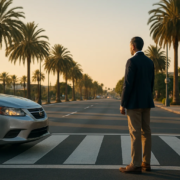
A vehicle-pedestrian collision can happen in seconds: a driver turns through an intersection, a pedestrian enters a marked crosswalk, or poor lighting makes someone difficult to see. If you are asking whether a pedestrian hit by car claim in San Diego may apply, the answer depends on facts such as traffic signals, visibility, injuries, and each person’s conduct. Prompt action can also help preserve information that may later become important.
If you or a family member has been struck, start with safety and medical care. Call emergency services when appropriate, obtain a medical evaluation, identify the driver and witnesses, and avoid guessing about fault at the scene. What to do after being hit by a car as a San Diego pedestrian can provide additional practical guidance. Jeffrey Estes Injury Lawyers can help injured pedestrians understand the issues involved. This article explains California right-of-way principles, evidence preservation, reporting, insurance communications, and deadlines.
When Does a Pedestrian Hit by Car Claim in San Diego Usually Arise?
A pedestrian injury claim generally requires evidence that another party’s conduct contributed to the collision and that the pedestrian suffered legally recognizable harm. In San Diego, California, that analysis may involve the driver’s speed, lookout, turning movement, traffic signal, roadway design, and the pedestrian’s position when impact occurred.
Crosswalks, turns, and right-of-way
California traffic rules can give pedestrians priority in certain marked or unmarked crosswalk situations, but right-of-way is not an automatic answer to every dispute. A driver turning across a pedestrian’s path may have had a duty to look carefully and yield when required. At the same time, investigators may examine whether the pedestrian entered against a signal, moved suddenly into traffic, or was visible to a reasonably attentive driver.
Visibility and roadway conditions
Visibility can matter significantly. Evidence may include street lighting, weather, parked vehicles, headlights, reflective clothing, the driver’s view, and whether the pedestrian was crossing at night. A collision near a busy area, transit stop, school, or intersection may also involve traffic-camera footage or independent witnesses.
California generally applies comparative fault principles. If more than one person contributed to an injury, a person’s recovery may be reduced according to the person’s assigned share of responsibility. For a balanced explanation, review whether a driver is always at fault in a pedestrian accident, because the facts—not simply the label of pedestrian or driver—usually shape the claim.
What Should You Preserve After a San Diego Pedestrian Collision?
An immediate plan can protect both health information and physical evidence. Do not assume that a police report or an insurance file will contain everything needed to evaluate a vehicle hit pedestrian injury claim.
- Obtain medical care. Follow appropriate medical guidance and describe symptoms accurately. Some symptoms may become noticeable later, so communicate changes to a healthcare provider. Records can help show the timing of treatment and how the reported condition relates to the collision. See information about delayed car accident injuries in San Diego for more context.
- Identify witnesses. Write down names and contact information when possible. Ask witnesses what they observed without coaching them or asking them to adopt a particular conclusion.
- Preserve clothing and devices. Keep damaged clothing, shoes, bags, helmets, and other items in their original condition. Do not wash, repair, discard, or alter them. Preserve relevant phone data, photographs, messages, fitness records, or location information rather than deleting or editing it.
- Document the scene. When safe, photographs may show the crosswalk, signal, lighting, vehicle position, debris, sight lines, and nearby cameras. Record the date, approximate time, weather, and location. Do not enter traffic or create a safety hazard to obtain a picture.
These steps can help preserve the evidence that can support a pedestrian injury claim, including medical records, witness accounts, photographs, damaged personal property, and digital information.
How Do Reporting and Insurance Affect a Pedestrian Injury Claim?
Reporting and communications can shape what evidence is available, but neither an initial report nor an insurer’s first position necessarily resolves liability. In San Diego, law enforcement records may include statements, diagrams, roadway observations, and information about the driver. Requesting and reviewing the report can help identify factual errors or missing details. The San Diego crash report process after a collision offers related information.
A driver’s insurer may contact an injured pedestrian quickly. You can provide basic identifying and claim information, but be cautious about guessing the vehicle’s speed, your visibility, or what you could see before impact. Avoid broad releases or accepting a settlement before the medical picture and available evidence are reasonably understood. Learn more about giving a recorded statement after a San Diego crash.
If the driver is uninsured, leaves the scene, or cannot be identified, preserve the police report, witness information, photographs, and medical records. Depending on the circumstances, the pedestrian’s own automobile policy or a household policy may include uninsured-motorist coverage, but coverage terms vary. Information about next steps after a San Diego uninsured-driver collision may help explain questions to raise during an insurance review.
Time limits also matter. California deadlines can differ based on the type of claim, the identity of the responsible party, and whether a public entity may be involved because of a roadway condition. An insurance claim or police report does not necessarily satisfy a lawsuit deadline. Review California deadlines for a San Diego car accident claim promptly, because waiting can affect available options.
Frequently Asked Questions
Does a pedestrian always have the right of way in California?
No. California right-of-way rules depend on the location, traffic signal, crossing conditions, and conduct of both roadway users. A pedestrian may have priority in a crosswalk, while a driver may argue that the pedestrian acted unexpectedly or disregarded a signal. Comparative fault may affect recovery even when another party also contributed. The specific facts, physical evidence, and witness accounts should be evaluated under California law.
Can I have a claim if the driver says I was hard to see at night?
Possibly. Nighttime visibility is one factor, not a complete answer. A review may consider lighting, headlights, roadway design, parked vehicles, clothing, the pedestrian’s location, the driver’s speed, and whether the driver was turning or otherwise required to watch for crossing traffic. Photos, surveillance footage, witness statements, and scene measurements may help explain what a reasonably attentive driver could have observed.
What if my symptoms did not appear until after the collision?
Delayed symptoms do not automatically eliminate a potential claim. Some injuries may not be immediately obvious, but only a qualified healthcare provider can evaluate symptoms and discuss appropriate care. Tell the provider about the collision and any changes you notice. Medical records, follow-up visits, and consistent reporting can help document the timing and progression of the condition without requiring you to diagnose yourself.
Should I accept the driver’s insurance settlement offer?
An early offer may not reflect the full scope of medical care, lost income, property damage, or other legally relevant losses. Before making a decision, consider whether treatment is ongoing, whether all available insurance is known, and whether the release language ends further claims. Depending on the circumstances, an attorney may review the offer and explain potential options under California law.
How Jeffrey Estes Injury Lawyers Can Help
Jeffrey Estes Injury Lawyers is dedicated to helping injured pedestrians and families understand the legal and practical issues after a vehicle collision. The firm can evaluate information such as medical records, photographs, witness accounts, traffic signals, visibility, police reports, insurance coverage, and damaged clothing or devices. Its team is committed to fighting for clients’ rights while explaining the process in clear terms and identifying issues that may require timely attention in San Diego, California.
If you or a family member was struck by a vehicle, contact Jeffrey Estes Injury Lawyers for a free consultation or case evaluation. The firm is ready to evaluate your situation and discuss your legal options without promising a particular result.
The information in this article is for educational purposes only and does not constitute legal advice. Contact a qualified attorney licensed in San Diego, California for advice specific to your situation.