How Can Owners Preserve San Diego Brake Failure Evidence?
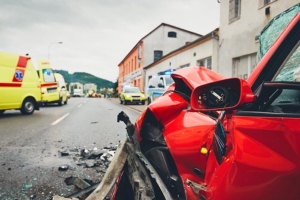
A brake pedal that suddenly feels soft, a vehicle that pulls while stopping, or a car that will not slow as expected can create an emergency in seconds. If a collision follows, the central question may not be limited to what the driver did immediately before impact. In a brake failure car accident claim in San Diego, the vehicle’s maintenance history, repair work, warning lights, and physical condition may help show what happened and who may bear responsibility.
Because brake evidence can disappear when a vehicle is repaired, sold, salvaged, or discarded, early preservation matters. Jeffrey Estes Injury Lawyers helps injured people understand the issues that can arise in these investigations. This article explains potentially responsible parties, what evidence to preserve, how California liability questions may develop, and why prompt advice can be important. Readers considering how to choose a San Diego car accident lawyer may want to evaluate whether an attorney can coordinate vehicle inspections and investigate multiple possible causes.
Who May Be Responsible in a San Diego Brake Failure Car Accident Claim?
Brake failure does not automatically establish fault. An investigation generally looks at the condition of the braking system, the vehicle’s history, the driver’s knowledge, and whether another person or business had a duty to maintain or repair the car. Responsibility may be shared among several parties, depending on the evidence.
Potentially responsible parties
Possible sources of liability can include:
- The driver or vehicle owner: A person who knew or reasonably should have known about a serious brake problem may face questions about continued operation, maintenance, or response to warning signs. A driver who had no reason to know about a hidden defect may present a different issue.
- A repair shop or technician: If brake work was performed incorrectly, required parts were omitted, or a known problem was not properly identified, the repair records and inspection findings may be important.
- A manufacturer or parts supplier: A defective brake component or unsafe design may raise product-liability questions. Those claims often require technical analysis and careful identification of the component’s source.
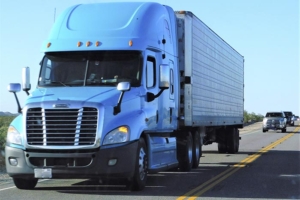
- An employer or fleet operator: Commercial vehicles may involve maintenance policies, inspection schedules, driver reports, and employer control over the vehicle.
- A public or private roadway entity: A pothole, uneven surface, missing warning, or other road condition may contribute to a driver’s inability to stop. The facts and applicable California rules can be significant when a government entity is involved.
The same crash may involve both a mechanical failure and a later driving decision. California’s comparative-fault principles can make the allocation of responsibility fact-specific rather than all-or-nothing. Laws and procedures vary by location and may change, so a San Diego, California attorney may recommend a fact-based investigation before conclusions are reached.
What Evidence Should You Preserve Before the Vehicle Is Repaired?
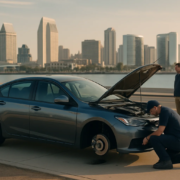
A vehicle can be one of the most important pieces of evidence in a brake failure case. Once a shop replaces pads, rotors, calipers, lines, sensors, or other components, the original condition may be harder to evaluate. If the vehicle is declared a total loss, preservation may require prompt communication with the insurer, lienholder, storage facility, or salvage company.
Vehicle and mechanical evidence
When reasonably possible, avoid authorizing repairs or disposal until the potential claim has been considered and the vehicle can be documented. Preservation may include:
- Photographing the vehicle from multiple angles, including wheels, tires, dashboard warning lights, fluid leaks, and visible damage. Keep original files and note when and where photographs were taken.
- Asking the tow yard, insurer, or repair facility to preserve the vehicle and removed parts. Do not alter, clean, discard, or personally disassemble brake components.
- Collecting maintenance invoices, inspection reports, parts receipts, warranty documents, recall notices, and communications with mechanics or dealerships.
- Recording what the driver noticed before the collision, such as grinding, vibration, a warning light, a soft pedal, reduced braking, or a need to pump the pedal. Avoid guessing about the mechanical cause.
- Obtaining information about prior owners, recent repairs, tire service, and the date and mileage of the last inspection.
These steps support the mistakes to avoid after an auto accident claim, including repairing or discarding evidence before it can be examined. A qualified investigator or engineer may need to inspect the vehicle in a controlled, documented manner. Maintenance history does not by itself prove negligence, but missing or inconsistent records may affect how competing explanations are evaluated.
How Do Insurers, Crash Reports, and Road Conditions Affect Liability?
A brake failure claim may become difficult when an insurer or another party assumes the collision resulted from following too closely, distraction, speed, or poor maintenance. A driver should accurately describe known facts, but generally should not speculate about a mechanical cause that has not been inspected. Readers can review guidance about whether to give a recorded statement after a San Diego crash before discussing disputed details with an insurer.
When fault is disputed or several vehicles are involved
A structured evidence plan may compare:
- photographs and video from the scene;
- dashboard warnings and vehicle data, when available;
- tow, storage, and repair records;
- witness accounts and driver statements;
- the sequence and location of each impact; and
- independent inspection findings.
If the report overlooks mechanical evidence, readers may need to understand how to challenge an incorrect San Diego crash report. A report is one piece of evidence; it may not contain a detailed mechanical inspection or every witness account. In a chain-reaction collision, who may share liability in a San Diego multi-car collision may depend on separating the initial braking event from later impacts.
Road conditions also deserve attention. A pothole, damaged pavement, inadequate lighting, or traffic-control problem may have contributed to the inability to stop. Preserving location photographs, lighting conditions, weather information, and precise crash details can help assess how roadway defects can affect a San Diego car accident claim. In San Diego County, the potentially responsible road entity may differ depending on where the incident occurred, and special notice or claim procedures can apply to public entities.
Prompt preservation matters for another reason: legal deadlines can depend on the claim type and the identity of the potentially responsible party. Readers can review information about when a San Diego car accident claim deadline begins, but an online article cannot determine the deadline for a particular case.
What Mistakes Can Weaken a Brake Failure Claim?
People may unintentionally damage their own evidence while trying to solve a transportation problem quickly. Repairs may be necessary for safety, but the timing and documentation can matter when a mechanical defect or poor repair is alleged. A person may also receive different explanations from a tow operator, mechanic, insurer, or claims representative.
Common issues to consider include:
- authorizing repairs without taking photographs or requesting the removed parts;
- allowing a damaged vehicle to be sold, salvaged, or destroyed before inspection;
- throwing away maintenance invoices or deleting texts with a repair facility;
- accepting an unsupported conclusion that the driver caused the crash;
- making a recorded statement before reviewing available records; and
- waiting so long that witnesses, vehicle data, or inspection opportunities are lost.
This does not mean a claim fails because a vehicle was already repaired. Other evidence may include service databases, parts records, photographs, inspection notes, witness testimony, and communications. However, the absence of the original vehicle can make some questions harder to answer.
When another party denies responsibility, an organized San Diego crash evidence plan when fault is disputed may help identify what still exists and what should be requested. Depending on the circumstances, an attorney may coordinate preservation notices, document requests, expert review, and communications with insurers. California law governs many San Diego claims, but the applicable rules can vary by defendant, location, and claim type.
Frequently Asked Questions
Can a repair shop be responsible for a crash caused by defective brakes?
Possibly, if evidence shows the shop performed negligent work, failed to address a reported problem, or returned the vehicle in an unsafe condition. The repair order, technician notes, invoices, replaced parts, and independent inspection may be relevant. A poor outcome after maintenance does not automatically prove negligence, so responsibility generally depends on the work promised, the vehicle’s condition, and the technical evidence.
What if my car was repaired before I realized brake failure mattered?
A repaired vehicle can still leave useful evidence. Gather photographs, invoices, removed-part information, tow records, warning-light images, messages with the shop, and names of people who inspected the car. Ask whether the replaced parts were retained. Depending on the circumstances, an attorney or qualified expert may evaluate available records and determine whether additional evidence can support or challenge a mechanical explanation.
Can a manufacturer be involved in a San Diego brake failure claim?
A manufacturer or parts supplier may be considered when a component appears defective or a design problem may have contributed to the crash. Product claims can involve technical testing, maintenance history, product identification, and questions about how the component was used. The existence of a failed part alone does not establish a manufacturer’s responsibility. A fact-specific review is generally necessary.
Does a police report decide who caused the brake failure crash?
No. A police report may provide useful information, but it may not include a detailed inspection of the braking system or every later-discovered fact. Photographs, witness accounts, maintenance records, vehicle data, repair documents, and expert findings may provide additional context. If the report contains factual omissions or errors, an attorney can explain possible ways to address them under applicable California procedures.
How Jeffrey Estes Injury Lawyers Can Help
Jeffrey Estes Injury Lawyers is dedicated to helping injured people investigate complicated car accident claims in San Diego, California. The firm may review the collision circumstances, maintenance and repair history, photographs, insurance communications, and available inspection information to identify issues that deserve further examination.
The team is committed to fighting for clients’ rights while recognizing that every brake failure case depends on its own facts. If a vehicle has not yet been repaired, sold, or discarded, prompt communication may help protect important evidence. Contact Jeffrey Estes Injury Lawyers for a free consultation or case evaluation to discuss your situation and explore your legal options.
The information in this article is for educational purposes only and does not constitute legal advice. Contact a qualified attorney licensed in San Diego, California for advice specific to your situation.