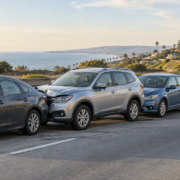
How Is Fault Shared in a San Diego Freeway Pileup?
A freeway pileup can happen in seconds, but working out who contributed to it may take much longer. One driver may brake suddenly, another may follow too closely, and a later impact may push a vehicle into a third car. In San Diego, multi-car accident fault depends on the evidence about each driver’s actions and the sequence of collisions—not simply on which vehicle ended up in front or behind. Jeffrey Estes Injury Lawyers helps people understand the issues that can arise when drivers and insurers disagree about a crash. This article explains how California comparative fault may apply, what evidence can help distinguish separate impacts, and what details may be useful to preserve while prioritizing medical care. No one should put themselves at risk to collect evidence at a freeway scene.
How San Diego multi-car accident fault may be divided
California generally uses comparative fault. That means responsibility for a collision may be allocated among multiple people when the evidence supports that conclusion. A driver who contributed to a crash may still be able to pursue a claim, but the amount recoverable can be affected by that driver’s share of responsibility. The specific effect depends on the facts and the damages involved.
A pileup is not automatically one continuous event with one responsible driver. Investigators and insurers may consider whether a driver’s speed, following distance, attention, lane movement, or response to traffic contributed to an initial or later impact. They may also consider whether a driver had a reasonable opportunity to avoid a collision after the chain reaction began.
Why fault may be disputed
Drivers may remember the sequence differently, especially when several impacts happen close together. One person may feel a first collision and then be struck again; another may believe the first contact came from a different vehicle. Photographs, vehicle damage, witness accounts, and other available evidence can help assess these competing explanations. For more on evidence to gather when a driver disputes fault, see our related guide.
A rear impact does not answer every question
The fact that one car struck another from behind may be relevant, but it does not necessarily explain every impact in a multi-vehicle crash. Traffic flow, vehicle positions, braking, and the timing of each contact can matter. Understanding how evidence can clarify responsibility in a rear-end crash may help show why each collision in a pileup needs to be considered in context.
Reconstructing the impact sequence in a San Diego freeway pileup
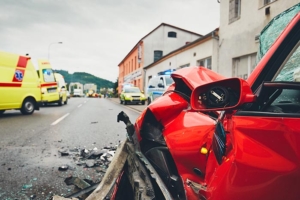
A reliable account often depends on putting separate pieces of evidence together. Relevant information may include the location and direction of vehicle damage, final resting positions, debris, tire marks, photographs, video, and statements from people who saw the collision. The evidence may help distinguish an initial crash from later impacts, although no single item necessarily proves the full sequence.
On San Diego-area freeways, the California Highway Patrol may respond to or investigate a collision, depending on the circumstances. An official report can record observations and identify witnesses, but it is not necessarily a final decision about civil responsibility. It may be incomplete or contain errors, so other evidence can matter when details are disputed.
Useful evidence may include:
- Names and contact details for drivers, passengers, and witnesses, if it is safe to collect them.
- Photos or video of vehicle positions, damage, roadway conditions, and visible debris, taken only from a safe location.
- Dashcam footage or information about nearby cameras that may have captured the scene.
- The time and location of the crash, along with the direction each vehicle was traveling.
- Medical records and other documentation related to injuries and care.
Do not enter traffic or delay emergency assistance to gather these details. When available, where to look for witness accounts and collision footage can be important to identifying what happened. If a report leaves out a vehicle or gets the sequence wrong, learn what to do when a San Diego crash report gets details wrong and consider whether other records clarify the point.
Preserve useful information while prioritizing care
After a freeway collision, personal safety and medical needs come first. If emergency services are needed, contact them and follow their directions. A person may not immediately recognize every injury after a stressful crash; symptoms can also develop later. Prompt medical evaluation and appropriate follow-up can document concerns and help a medical professional assess them. Read more about what to know when car accident symptoms appear later.
When it is safe and practical, keep a record of what you personally observed. Separate what you remember from what someone else told you, and avoid guessing about the order of impacts or assigning blame before the evidence is reviewed. If you cannot safely gather information at the scene, details may be available later through reports, photographs, witnesses, or other records.
A collision may also involve factors beyond driver conduct. For example, investigators may need to consider when a roadway condition may have contributed to a crash. That possibility should be evaluated based on evidence rather than assumed. Road conditions do not automatically establish that a public entity or another party is responsible.
Insurers may contact people while the impact sequence is still uncertain. It can help to be precise about what you know and what you do not know. Avoid speculation when describing the crash. If an insurer requests a recorded account, it may be useful to understand what to consider before giving an insurer a recorded statement. The circumstances of each claim differ, and an attorney can explain options based on the available facts.
Frequently Asked Questions
Can more than one driver be at fault in a San Diego pileup?
Yes. In California, evidence may support assigning responsibility to more than one driver when multiple actions contributed to a collision. The allocation depends on the circumstances, including the sequence of impacts and each person’s conduct. A driver’s own share of fault may affect a claim, but it does not automatically answer whether another driver also contributed.
Does the driver who caused the first impact always bear all the fault?
Not necessarily. An initial collision may trigger later impacts, but other drivers’ actions may also be relevant to whether additional collisions could have been avoided. Investigators may examine timing, traffic conditions, vehicle positions, and available witness or video evidence. The first impact is one part of the analysis, not always a complete explanation of responsibility for every vehicle involved.
What if I do not know which impact caused my injury?
It may be difficult to identify the specific impact that caused an injury, particularly when several contacts happen quickly. Medical evaluation and records can document symptoms and findings, while collision evidence may help establish the sequence. A qualified attorney can review the available information and explain what may be relevant to a claim. Do not guess about the cause when you are unsure.
Can I make a claim if I may share some responsibility?
Possibly. California’s comparative fault rules may allow a person who shares responsibility to pursue a claim, with recovery potentially affected by the person’s share of fault and the circumstances. The effect can depend on the type of damages and other legal issues. An attorney licensed in California can assess how the rules may apply to the specific facts.
How Jeffrey Estes Injury Lawyers Can Help
Jeffrey Estes Injury Lawyers is dedicated to helping people understand the questions that arise after a serious multi-vehicle collision. A review may consider the impact sequence, available reports and footage, witness information, roadway conditions, and how insurers are evaluating responsibility. The firm is committed to fighting for clients’ rights while recognizing that every claim depends on its own facts and applicable California law. If you were involved in a San Diego freeway pileup, contact Jeffrey Estes Injury Lawyers to discuss your situation and request a free consultation or case evaluation.
The information in this article is for educational purposes only and does not constitute legal advice. Contact a qualified attorney licensed in San Diego, California, for advice specific to your situation; laws vary by location and may change.